-1770643571.jpg)
Starlink Kit Price in Kenya
BackStarlink Kit Price in Kenya: Complete 2026 Buyer’s Guide
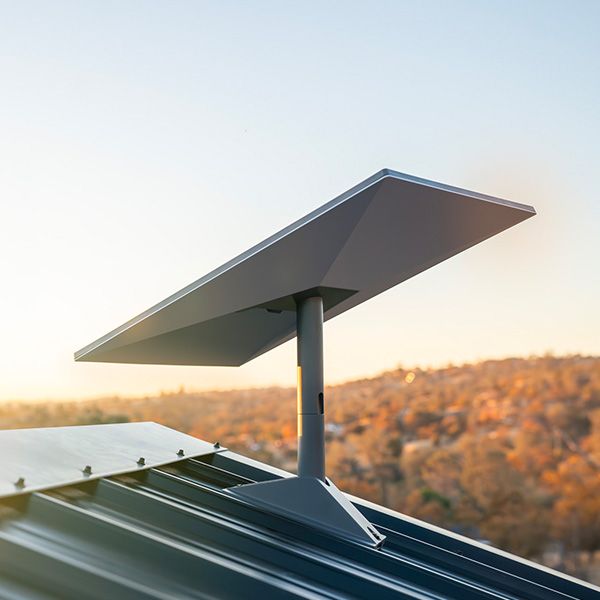
Starlink internet has quickly moved from being a “future technology” to a practical option for many Kenyans who need reliable connectivity beyond the limits of fiber and mobile networks. In 2026, more households, SMEs, institutions, and remote teams are actively looking for Starlink because it offers coverage in places where traditional providers struggle—especially in rural areas, new residential developments, farms, construction sites, lodges, and field operations.
A big reason the demand is growing is that internet has become a daily necessity, not a luxury. Many Kenyan homes now depend on streaming, online learning, remote work, and smart home devices. Businesses rely on cloud apps, video meetings, point-of-sale systems, online banking, CCTV monitoring, and customer support platforms. When fiber is unavailable—or when mobile data becomes unreliable during congestion—satellite internet becomes a serious alternative that can keep operations and families connected.
However, before buying, it’s important to understand that “Starlink kit price” isn’t just one simple figure. The full cost can include the hardware kit itself, delivery or shipping, mounting accessories, installation (if you don’t DIY), and the ongoing monthly subscription. On top of that, pricing can vary depending on whether you’re buying from a trusted local provider offering support and warranty coverage, or from unofficial sellers who may not provide after-sales assistance.
That’s why this 2026 buyer’s guide focuses on clarity. The goal is to help you understand what you’re actually paying for, what affects Starlink kit pricing in Kenya, and the extra costs that people often discover after purchase. By the end, you’ll know how to budget properly, how to compare offers safely, and what to check so you don’t end up with surprise expenses or unsupported equipment.
If you’d like professional guidance, verification of genuine hardware, and support from a local team, you can also explore solutions from Spacelink Kenya—especially if you want help choosing the right setup, accessories, and installation approach for your location.
1. What Is the Starlink Kit?

The Starlink kit is a complete satellite internet hardware package designed to connect homes and businesses directly to low-Earth orbit satellites without relying on traditional fiber or mobile towers. Instead of cables running underground or signal relays from nearby masts, the Starlink system communicates directly with satellites in space, creating a high-speed internet link even in remote or infrastructure-poor areas. This is why it has become a powerful solution for rural Kenya, construction sites, lodges, farms, schools, clinics, and businesses operating far from urban centers.
Unlike older satellite internet systems that were slow and high-latency, Starlink is engineered for modern broadband performance. The kit is designed to be user-friendly, compact, and quick to deploy. Many users can install it themselves in under an hour, while professional installation can optimize signal quality for maximum speed and reliability. Understanding what comes inside the kit and how it functions is essential before evaluating the price, because you are not just buying equipment — you are investing in a complete connectivity system.
1.1 Components Included in a Standard Starlink Kit
A standard Starlink kit typically includes everything needed to get online immediately. The core component is the Starlink dish (often called the “Dishy”), which automatically aligns itself to connect with satellites. Unlike traditional satellite dishes that require manual pointing, this antenna uses smart motors and sensors to find the best signal path on its own.
The package also includes a Wi-Fi router that distributes internet inside your home or office. This router is designed for simplicity and fast setup through a mobile app. A high-quality cable connects the dish to the router and supplies both data and power. Most kits include a base stand for temporary placement on the ground, balcony, or flat surface during initial testing.
Additional accessories such as roof mounts, pole mounts, longer cables, or weather-protected installations are usually purchased separately. These accessories become important when you want a permanent, optimized installation that avoids obstructions like trees, buildings, or hills.
1.2 How Starlink Hardware Works
The Starlink system works by linking your dish to a constantly moving network of satellites orbiting the Earth. Because these satellites are much closer than traditional geostationary satellites, they deliver lower latency and higher speeds. Your dish tracks satellites in real time, switching connections seamlessly as they move across the sky.
Once the dish receives the signal, it sends data through the cable to the router, which converts it into Wi-Fi or Ethernet internet access for your devices. The system is managed through a smartphone app that shows signal quality, obstruction warnings, speed tests, and network controls. This app allows users to monitor performance and troubleshoot without needing advanced technical knowledge.
The hardware is built for outdoor conditions and can operate in rain, heat, and dust. However, installation location matters greatly. Clear sky visibility is critical. Trees, walls, or rooftops blocking the dish can reduce performance. This is why professional installation can significantly improve long-term reliability and speed.
1.3 Difference Between Starlink Residential and Business Kits
Starlink offers different hardware and service tiers designed for different types of users. Residential kits are built for homes and small offices that need reliable everyday internet. They are optimized for affordability and general usage such as streaming, remote work, online learning, and smart home connectivity.
Business kits are engineered for heavier usage and higher performance demands. They typically support stronger antennas, higher throughput, priority network access, and improved stability during peak hours. Businesses running cloud systems, surveillance networks, customer Wi-Fi, or mission-critical operations often prefer this tier.
Another key difference is service priority. Business users may receive higher network priority compared to residential users, which helps maintain performance during congestion. Installation setups also tend to be more robust, including professional mounting, backup power integration, and network security enhancements.
Choosing between residential and business depends on how critical internet is to your operations. Homes focused on daily use may find the residential kit sufficient, while organizations that cannot tolerate downtime benefit from the business-grade setup.
The Starlink kit is more than a dish and a router — it is a complete satellite connectivity system designed to bring modern broadband internet anywhere in Kenya. Understanding the components, how the hardware works, and the difference between residential and business options helps buyers make informed decisions instead of focusing only on the upfront price. The right kit choice depends on your usage needs, installation environment, and reliability expectations.
When buyers clearly understand what they are purchasing, they can plan installation properly, choose the right accessories, and avoid performance issues caused by poor setup. Whether for a rural home, a growing business, or a remote worksite, selecting the correct Starlink kit ensures you get the full value of satellite internet technology and a stable connection that supports your daily digital life.
2. Starlink Kit Price in Kenya Explained

When evaluating the Starlink kit price in Kenya, it’s important to understand that the advertised number is only part of the story. The final amount a buyer pays depends on hardware version, seller source, exchange rates, taxes, and additional services such as installation. In 2026, Starlink pricing has become more competitive, but variations still exist across the Kenyan market. A smart buyer looks at total ownership cost, not just the sticker price.
This section breaks down the real pricing structure so you can plan properly and avoid surprises after purchase.
2.1 Current Market Price Range in Kenya
In Kenya, Starlink kit pricing typically falls within a broad but predictable range depending on the model and seller. Standard home kits are generally positioned in the mid-range of the satellite hardware market, while compact or portable versions may cost slightly less. Business-grade hardware, designed for higher throughput and priority access, tends to sit at the upper end of the range.
Prices fluctuate due to supply availability, currency shifts, and retailer competition. During high demand periods, prices may temporarily rise, while increased supply or competition among resellers can push prices down. Buyers should always compare multiple verified sellers rather than assuming a single national price.
It’s also important to distinguish between brand-new sealed kits, refurbished units, and second-hand hardware, as these categories can differ significantly in cost, warranty, and long-term reliability.
2.2 Factors That Influence Pricing
Several economic and logistical factors shape the Starlink kit price in Kenya.
Importation costs play a major role. Because Starlink hardware is shipped internationally, import duties, VAT, shipping fees, and customs clearance charges add to the base cost. These expenses are reflected in local retail pricing.
Currency exchange rates also affect pricing. Since the hardware is valued in foreign currency, fluctuations in the Kenyan shilling can directly increase or decrease retail cost even when the manufacturer’s base price remains unchanged.
Reseller margins vary depending on the type of seller. Authorized providers may charge slightly more but often include warranty coverage, installation support, and after-sales service. Informal sellers may appear cheaper but may not offer protection if hardware fails.
Market demand is another factor. When Starlink demand spikes in rural regions or during connectivity shortages, prices can temporarily rise due to limited stock.
2.3 One-Time Hardware Cost vs Monthly Subscription
Buyers should clearly separate upfront hardware cost from ongoing subscription expenses.
The hardware payment is a one-time purchase covering the dish, router, and cables. Once you own the equipment, it remains yours regardless of monthly service status. This upfront investment is what many people refer to as the “Starlink kit price.”
However, the system only works with an active subscription. Monthly service fees are recurring and should be treated as part of your long-term internet budget. Depending on the chosen plan, subscription tiers vary by speed, priority access, and intended usage (residential vs business).
Some sellers also offer installment or rental-style payment options, which reduce initial cost but extend total spending over time. While these plans improve accessibility, buyers should compare total long-term cost versus outright purchase.
2.4 Hidden Costs Buyers Should Know
Many first-time buyers focus only on the kit price and overlook additional expenses that affect total ownership cost.
Professional installation is one of the most common extras. While self-installation is possible, complex environments with obstructions may require mounting on rooftops, towers, or poles. Skilled installation improves signal quality and long-term performance.
Accessories are another hidden expense. Permanent mounting kits, lightning protection, cable extensions, surge protectors, and weatherproof routing can increase total setup cost but significantly improve reliability.
Shipping or delivery fees may apply depending on the seller’s location. Buyers outside major cities sometimes pay extra for logistics.
Power backup is often overlooked. In areas with unstable electricity, users may invest in UPS systems, batteries, or solar backup to keep the connection running during outages.
Understanding these additional costs helps buyers budget realistically instead of treating the kit price as the final number.
The Starlink kit price in Kenya is not a single fixed number — it is a combination of hardware cost, market forces, subscription planning, and setup choices. While the upfront kit may appear affordable compared to traditional infrastructure expansion, the real value comes from understanding total ownership cost and planning accordingly.
Buyers who factor in installation, accessories, and ongoing service expenses avoid unpleasant surprises and enjoy a smoother transition to satellite internet. With proper budgeting and the right purchasing decisions, Starlink becomes a long-term investment in stable, high-performance connectivity that supports homes, businesses, and remote operations across Kenya.
3. Why Starlink Prices Vary Between Sellers

Many buyers notice that the Starlink kit does not have a single fixed market price in Kenya. The same hardware may appear at different price points depending on where it is purchased. This variation is not accidental — it reflects differences in seller credibility, bundled services, warranty coverage, and long-term customer support. When evaluating offers, buyers should look beyond the headline price and examine what is included in the deal.
A lower number on paper does not always translate into better value. In connectivity systems, the hidden details — authenticity, installation quality, and post-purchase support — determine whether the purchase becomes a smooth upgrade or an expensive mistake.
3.1 Authorized vs Unofficial Resellers
Authorized resellers typically follow structured import channels and sell verified, traceable hardware. These providers operate formal businesses, provide receipts and documentation, and help customers activate equipment correctly. Their pricing often reflects the cost of legitimacy, compliance, and service infrastructure.
Unofficial resellers may import through informal channels or sell secondary-market units. While some are genuine sellers, others may provide hardware without proper registration, documentation, or customer accountability. Buyers risk receiving used or unsupported equipment.
The difference in price often reflects the difference in protection.
3.2 Warranty and Support Differences
Warranty is one of the biggest invisible factors behind pricing. A kit backed by a proper warranty protects buyers if hardware fails or arrives defective. Reliable sellers assist with replacements and claims, saving customers from unexpected costs.
Support is equally important. Satellite systems occasionally require troubleshooting, relocation advice, or configuration help. Sellers who provide ongoing assistance justify slightly higher pricing because customers gain long-term security.
Cheap sellers frequently disappear after the sale, leaving buyers to solve problems alone.
3.3 Installation Packages and Added Services
Some sellers bundle installation, accessories, and optimization into their pricing. Others sell only the box. This alone can create a major price gap.
A premium package may include site surveys, professional mounting, cable routing, Wi-Fi optimization, and system testing. These services ensure maximum performance and reduce the risk of signal interruptions.
When buyers choose a cheaper hardware-only option, they often end up paying separately for installation corrections later. The total cost eventually matches or exceeds a professional package.
3.4 Risks of Extremely Cheap Offers
Extremely low prices should trigger caution. They may indicate refurbished hardware sold as new, incomplete kits, or devices locked to previous accounts. Some buyers unknowingly purchase equipment that cannot be activated.
In worst cases, scams involve fake listings where equipment never arrives. Even when hardware is delivered, lack of support means buyers carry all risk.
A deal that looks too good to be true usually is.
Price variation in the Starlink market reflects more than seller profit — it reflects legitimacy, warranty protection, installation quality, and support reliability. Paying slightly more for a verified provider often saves money by preventing replacement costs and technical frustration.
Smart buyers compare total value instead of chasing the lowest price. In satellite internet, long-term reliability is part of the purchase. Choosing a credible seller protects your investment and ensures the system performs as expected.
4. Installation Costs and Setup Options

Buying the Starlink kit is only part of the journey — installation plays a major role in how well the system performs long-term. A poorly positioned dish can reduce speeds, increase dropouts, and create frustration even when the hardware is perfectly functional. That’s why installation choices directly affect value, not just convenience.
Some buyers install the system themselves successfully, while others prefer professional setup to guarantee optimal signal quality. Understanding the trade-offs between these options helps you plan your budget and avoid performance issues caused by shortcuts during installation.
4.1 Self-Installation vs Professional Installation
Starlink is designed to be user-friendly, and many homeowners can install the kit without technical expertise. The mobile app guides users through dish placement, obstruction testing, and connection setup. For simple environments with clear sky visibility, self-installation can work well and saves money.
However, self-installation has limitations. Many properties have trees, tall buildings, metal roofing interference, or uneven terrain that complicate placement. In such cases, temporary ground installation may work initially but cause signal interruptions later.
Professional installation ensures the dish is mounted in the best possible location, securely fastened against wind and weather, and aligned for optimal performance. Installers also handle cable routing, waterproofing, surge protection, and Wi-Fi optimization inside the building. For businesses or mission-critical environments, professional setup reduces risk and downtime.
The choice depends on your environment and how critical internet reliability is to you.
4.2 Mounting Accessories and Extra Hardware
The standard kit includes a temporary base stand, but permanent installations often require additional mounting hardware. These accessories are not optional luxuries — they directly affect signal quality and durability.
Common accessories include roof mounts, pole mounts, wall brackets, and elevated towers. These allow the dish to rise above obstructions such as trees or nearby structures. In some areas, lightning protection and grounding equipment are added to protect the system from electrical damage.
Cable extensions may also be necessary for larger properties where the router sits far from the dish location. Weatherproof cable routing prevents water damage and extends the lifespan of the system.
While these accessories increase setup cost, they prevent performance problems and expensive repairs later. A stable mount is a long-term investment in connectivity reliability.
4.3 Site Survey and Optimization
A site survey is one of the most overlooked but valuable parts of installation. Before mounting the dish permanently, professionals analyze the environment to identify obstructions, signal angles, and the best mounting height.
Even partial sky blockage can degrade performance. Trees that seem harmless today may grow and create problems months later. A proper survey anticipates these issues and positions the dish where long-term visibility is guaranteed.
Optimization also includes indoor network planning. Router placement affects Wi-Fi coverage, especially in large homes or offices. Some installations benefit from mesh Wi-Fi systems, Ethernet wiring, or network segmentation for businesses.
A good survey turns installation from guesswork into engineering.
4.4 Typical Installation Price in Kenya
Installation pricing in Kenya varies depending on complexity, location, and equipment required. Simple rooftop installations cost less than tower mounts or remote rural deployments that require additional travel and hardware.
Basic professional installation generally falls into an affordable range for urban and semi-urban homes. More complex setups — involving high poles, extended cable runs, or commercial network integration — cost more due to labor, equipment, and safety requirements.
Buyers should request clear quotes that specify what is included: mounting hardware, cable routing, grounding, Wi-Fi setup, and testing. Transparent pricing prevents misunderstandings and ensures you know exactly what service you are receiving.
While professional installation adds to upfront cost, it often saves money by preventing repeat visits, signal issues, and corrective work later.
Installation is not just a technical step — it is a performance decision that determines how well your Starlink system works every day. Self-installation may be suitable for simple environments, but professional setup provides stability, optimization, and peace of mind, especially where connectivity is critical.
Investing in proper mounting, site surveys, and network optimization ensures that the hardware performs at its full potential. A well-installed system delivers consistent speeds, fewer interruptions, and longer equipment lifespan. In satellite internet, the quality of installation is as important as the quality of the kit itself.
5. Monthly Subscription Costs After Buying the Kit

Purchasing the Starlink kit is only the first step — the service runs on a monthly subscription model. Understanding these ongoing costs is essential because they represent the long-term investment in connectivity. While the hardware is a one-time expense, subscription fees determine your yearly operating cost and should be evaluated just like electricity, rent, or other essential utilities.
Monthly pricing depends on the plan you choose, your usage needs, and whether you are a residential or business customer. Starlink is structured to serve casual home users and high-demand commercial operations differently, which is why subscription tiers exist.
5.1 Residential Package Pricing
Residential plans are designed for everyday home internet usage. They support streaming, remote work, gaming, video calls, and smart home connectivity. These packages are priced to remain accessible to families while still delivering broadband-level performance.
Residential subscriptions are typically the most affordable option and aim to balance speed with cost efficiency. Pricing can fluctuate slightly over time due to operational adjustments, exchange rates, or policy changes, but it generally remains within a predictable monthly range.
For many Kenyan households, the residential package replaces unreliable mobile data bundles or unavailable fiber connections. When compared to the combined cost of multiple SIM-based data plans, satellite internet can sometimes offer better value and consistency.
5.2 Business and Enterprise Plans
Business and enterprise packages are built for organizations that cannot afford downtime. These plans prioritize network access during peak hours and deliver higher performance stability. Companies running cloud platforms, POS systems, surveillance networks, or remote operations often require this level of reliability.
Business subscriptions cost more than residential packages because they include priority bandwidth and performance guarantees. Some enterprise plans are scalable, allowing organizations to upgrade bandwidth as they grow.
In Kenya, businesses in remote areas often treat Starlink as critical infrastructure rather than optional internet. The higher monthly cost is justified by uninterrupted operations, improved productivity, and the ability to run digital systems in locations where traditional connectivity is impossible.
5.3 Data Limits and Speed Expectations
Most modern Starlink packages are designed around high data usage. Residential users generally receive generous data allowances suitable for heavy streaming, downloads, and cloud work. Business users benefit from priority access that protects speed during congestion.
Speeds vary depending on location, network load, and installation quality. Rural areas with fewer users may experience higher performance consistency, while densely populated zones can see fluctuations during peak hours.
Unlike traditional mobile internet where strict caps are common, Starlink is structured to support broadband-style usage. However, fair usage policies and network management may still apply to maintain system stability. Buyers should focus less on maximum advertised speed and more on consistent real-world performance.
5.4 Payment Methods in Kenya
Subscription payments are typically handled through digital channels that support international billing. Most Kenyan users rely on debit or credit cards linked to global payment networks. Some users route payments through digital wallets or bank-issued cards configured for online international transactions.
Automatic billing ensures service continuity, so maintaining an active payment method is critical. If payment fails, service may pause until the account is settled.
For organizations, accounting departments often integrate subscription payments into monthly operating expenses just like other utilities. Planning ahead prevents service interruption and simplifies financial management.
Monthly subscription costs define the long-term reality of Starlink ownership. While the hardware is a one-time purchase, the service fee represents an ongoing investment in reliable connectivity. Residential plans provide affordable broadband for homes, while business and enterprise tiers deliver priority performance for mission-critical operations.
Understanding pricing tiers, data expectations, and payment structure allows buyers to budget confidently and choose a plan aligned with their usage needs. When treated as essential infrastructure rather than optional expense, a well-chosen subscription becomes a powerful tool for stable internet access anywhere in Kenya.
6. Is Starlink Worth the Price in Kenya?

Whether Starlink is “worth it” depends on what problem you are trying to solve. For some users, it is a premium alternative to existing internet. For others, it is the only realistic option for stable connectivity. The value of Starlink is not measured only by speed — it is measured by availability, reliability, and the ability to work anywhere.
In Kenya, where infrastructure gaps still exist outside major cities, Starlink fills a critical connectivity gap. To evaluate its value properly, buyers must compare it against fiber, mobile internet, and long-term operational needs.
6.1 Comparison with Fiber and Mobile Internet
Fiber internet is still the gold standard in urban areas. It offers low latency, stable speeds, and competitive pricing where infrastructure exists. If a home or office has reliable fiber access, Starlink may not always be the cheapest choice. However, fiber availability in Kenya remains limited to specific neighborhoods, and outages can take time to repair.
Mobile internet is widely available but inconsistent. Network congestion, signal fluctuations, and data caps make it unreliable for heavy users or business operations. Many users rely on multiple SIM cards just to maintain uptime, which increases cost and complexity.
Starlink’s advantage is independence from local infrastructure. It bypasses fiber cuts, tower congestion, and regional coverage gaps. For users outside fiber zones or those frustrated by unstable mobile service, Starlink often delivers a more consistent experience even if the monthly price is higher.
6.2 Performance in Rural vs Urban Areas
Starlink shines brightest in rural and remote regions. In areas where fiber is nonexistent and mobile coverage is weak, Starlink can feel transformative. Farms, lodges, schools, clinics, and construction sites gain access to broadband speeds that were previously impossible.
In urban areas, performance remains strong, but congestion can slightly affect speeds during peak times due to higher user density. However, even in cities, Starlink provides a valuable backup connection for homes and businesses that cannot tolerate downtime.
The key difference is that rural users often see Starlink as their primary internet lifeline, while urban users may treat it as either a premium option or redundancy layer.
6.3 Reliability During Bad Weather
A common concern is weather impact. Because Starlink relies on satellite communication, heavy rain or storms can occasionally reduce signal quality. However, modern hardware is designed to maintain connection through typical weather conditions.
Short slowdowns may occur during extreme storms, but total outages are rare when the dish is properly installed and unobstructed. In many cases, Starlink remains more reliable than mobile networks during severe weather because it does not depend on fragile ground infrastructure.
Installation quality plays a major role here. Secure mounting, clear sky visibility, and proper cable protection minimize weather-related interruptions.
6.4 Long-Term Value for Businesses
For businesses, value is measured in uptime and productivity. Internet outages cost money — missed transactions, halted operations, broken communication, and lost customers. In remote locations, Starlink enables digital operations that would otherwise be impossible.
Companies using cloud systems, surveillance networks, remote teams, or field operations often see Starlink as infrastructure investment rather than optional expense. Over time, stable connectivity improves efficiency, customer trust, and operational reach.
Even businesses with fiber increasingly adopt Starlink as a backup link. Redundant connectivity protects against outages and ensures continuity. The long-term financial value of preventing downtime often outweighs subscription cost.
Starlink is not simply about price — it is about access and reliability. For users with strong fiber access, it may be a premium alternative. For rural homes and remote businesses, it can be life-changing infrastructure that unlocks modern digital capability.
Its real worth lies in independence from traditional network limitations. When evaluated through the lens of uptime, flexibility, and reach, Starlink becomes more than an internet service — it becomes a connectivity safety net. For many Kenyans, especially outside major cities, that reliability justifies the investment.
7. Who Should Buy a Starlink Kit?
Starlink is not a one-size-fits-all product. Its strongest value appears in environments where traditional connectivity fails or simply doesn’t exist. While urban users with strong fiber may see it as optional, entire segments of Kenya treat Starlink as essential infrastructure. The people who benefit most are those operating beyond the limits of cables, towers, and stable mobile networks.
Understanding who Starlink is designed for helps buyers evaluate whether the investment aligns with their daily needs. The technology shines in locations where connectivity gaps create real economic, educational, and operational barriers.
7.1 Remote Homes and Rural Families
For rural families, Starlink can completely change daily life. Many remote households rely on weak mobile signals, expensive data bundles, or no internet at all. This limits access to online education, digital banking, remote work, and modern communication.
Starlink brings broadband-level internet to areas where fiber may never reach. Children gain access to online learning resources, families stream educational content, and adults participate in remote jobs or digital businesses. Reliable connectivity reduces geographic disadvantage and connects rural homes to the global economy.
In these environments, Starlink is not a luxury — it is a bridge to opportunity.
7.2 Businesses Outside Fiber Coverage
Businesses operating outside major cities often struggle with unstable internet. Lodges, farms, construction sites, mining operations, and logistics hubs depend on connectivity for payments, coordination, surveillance, and customer communication.
Without stable internet, operations slow down or stop entirely. Starlink allows these businesses to function like urban enterprises, running cloud systems, online bookings, remote monitoring, and digital transactions without relying on fragile mobile networks.
For remote businesses, the cost of unreliable internet is often higher than the cost of Starlink. Stable connectivity increases efficiency, credibility, and growth potential.
7.3 NGOs and Field Offices
Non-governmental organizations frequently operate in the hardest-to-reach areas — exactly where connectivity is weakest. Field teams need internet for reporting, coordination, mapping, fundraising communication, and security monitoring.
Starlink allows NGOs to maintain constant contact with headquarters, upload field data in real time, and run digital tools that improve project efficiency. In humanitarian operations, connectivity can directly affect response speed and safety.
For mobile field offices, Starlink provides flexible deployment. Teams can establish reliable internet anywhere without waiting for infrastructure development.
7.4 Schools and Health Facilities
Education and healthcare increasingly depend on digital systems. Remote schools need internet for online learning platforms, research materials, teacher training, and administrative systems. Without connectivity, students fall behind global standards.
Health facilities require internet for telemedicine, patient records, diagnostics, and communication with referral hospitals. Clinics in remote areas often struggle with delayed reporting and limited access to medical knowledge.
Starlink enables these institutions to operate at modern standards regardless of location. Reliable internet strengthens both education outcomes and healthcare delivery, especially in underserved communities.
Starlink delivers the greatest value where traditional connectivity leaves gaps. Rural families gain access to opportunity, remote businesses unlock growth, NGOs improve operational reach, and schools and clinics modernize their services.
The technology is not just about faster internet — it is about removing geographic barriers. For people and institutions operating beyond fiber coverage, Starlink becomes infrastructure that supports education, healthcare, economic development, and communication. In those environments, its value extends far beyond the price of the kit.
8. Why Buy Your Starlink Kit from Spacelink Kenya

Where you buy your Starlink kit matters almost as much as the kit itself. Satellite internet is not just a box you plug in — it is a long-term connectivity system that benefits from professional handling, verified hardware, and reliable support. Choosing a trusted provider reduces risk, protects your investment, and ensures you get full performance from day one.
Spacelink Kenya positions itself not just as a seller, but as a connectivity partner. Instead of focusing only on hardware sales, the company provides a full ecosystem of services designed to help customers install, maintain, and rely on their internet with confidence.
8.1 Genuine Hardware Guarantee
One of the biggest concerns in the Starlink market is authenticity. Buying from an unreliable source can result in used hardware, incomplete kits, or devices tied to previous accounts. These problems can prevent activation or cause long-term performance issues.
Spacelink Kenya guarantees genuine, traceable hardware. Customers receive sealed equipment with proper registration support, ensuring smooth activation and compatibility. This eliminates the uncertainty that comes with gray-market purchases and protects buyers from expensive mistakes.
When investing in satellite internet, authenticity is not optional — it is essential.
8.2 Professional Installation Services
Proper installation is critical for performance. A dish placed a few meters too low or partially blocked by trees can reduce speeds and increase outages. Spacelink Kenya provides professional installation that ensures optimal placement, secure mounting, and safe cable routing.
Their installation services go beyond mounting. Technicians test signal quality, optimize Wi-Fi coverage, and confirm system stability before leaving the site. This level of attention prevents common DIY errors that lead to frustration later.
For homes, businesses, and institutions that depend on uninterrupted internet, professional setup turns hardware into a reliable infrastructure system.
8.3 Local Technical Support
Technology occasionally requires troubleshooting. Having access to local support makes a major difference when issues arise. Instead of navigating overseas help systems or waiting for online responses, customers can rely on a Kenyan-based support team that understands local conditions.
Spacelink Kenya provides guidance on performance optimization, relocation of equipment, and network configuration. This local presence shortens problem resolution time and gives customers confidence that help is available when needed.
Support is part of the product — not an optional extra.
8.4 Warranty and After-Sales Care
Hardware failures, though rare, do happen. A strong warranty policy protects buyers from unexpected replacement costs. Spacelink Kenya assists customers with warranty claims, equipment replacement processes, and post-purchase care.
After-sales service ensures that customers are not abandoned once the transaction is complete. This ongoing relationship transforms a simple purchase into a long-term service partnership.
Reliable after-sales care is one of the clearest indicators of a trustworthy provider.
8.5 Fast Nationwide Delivery
Connectivity should not be limited by geography. Spacelink Kenya supports nationwide distribution, ensuring customers in remote counties receive equipment without unnecessary delays. Efficient logistics allow homes, businesses, schools, and field operations to deploy internet quickly.
Fast delivery is especially important for urgent installations such as construction sites, emergency response units, or new business locations. Rapid deployment means connectivity starts working when it is needed most.
Buying a Starlink kit is an investment in stable internet, and the provider you choose determines how smooth that investment becomes. Spacelink Kenya combines genuine hardware, professional installation, local support, warranty protection, and fast delivery into a complete service package.
Instead of treating Starlink as a simple retail purchase, they position it as a managed connectivity solution. For buyers who value reliability, accountability, and long-term support, choosing a trusted provider transforms satellite internet from a risky purchase into a confident upgrade.
9. Frequently Asked Questions (FAQs)
https://youtu.be/HJ6IfD-iRXg
Before investing in satellite internet, most buyers share the same practical concerns: coverage, speed, weather reliability, and flexibility. These questions are important because Starlink operates differently from traditional internet providers. Understanding the basics helps buyers set realistic expectations and make confident decisions.
Below are the most common questions Kenyan customers ask before purchasing a Starlink kit.
9.1 Can Starlink Work Anywhere in Kenya?
Starlink is designed to provide coverage across the entire country, including remote and underserved areas where fiber and mobile networks struggle. As long as the dish has a clear view of the sky and access to power, it can connect to satellites.
However, “anywhere” does not mean “anywhere without installation planning.” Obstructions like tall trees, buildings, hills, or metal roofing can block signal if the dish is poorly positioned. Performance depends heavily on proper placement.
In practice, Starlink is one of the few internet options that truly works in rural Kenya, game reserves, farms, islands, construction zones, and remote institutions.
9.2 How Long Does Delivery Take?
Delivery time depends on location and stock availability. Customers in major cities typically receive equipment faster due to easier logistics. Remote counties may take slightly longer depending on courier routes.
When buying from a well-organized provider, delivery is usually scheduled efficiently, and customers are informed of timelines in advance. Urgent deployments — such as business or field operations — can often be prioritized.
The key factor is not just shipping speed, but coordination with installation if professional setup is required.
9.3 Does Weather Affect Starlink?
Starlink is engineered to operate in normal weather conditions including rain, heat, and wind. Light to moderate rain rarely causes noticeable disruption. During extreme storms, short slowdowns or brief interruptions may occur, but total outages are uncommon when the system is properly installed.
Modern satellite technology compensates for weather interference far better than older satellite systems. Secure mounting and clear sky visibility reduce weather-related impact.
In many cases, Starlink remains more stable than mobile networks during severe weather because it does not rely on ground towers that may lose power or suffer damage.
9.4 Can I Move My Starlink Kit to Another Location?
Yes, Starlink hardware is portable. Users can relocate their kit to another home, worksite, or temporary location. This flexibility is especially useful for mobile businesses, field teams, and seasonal operations.
However, moving the kit may require updating the service address in the system and ensuring the new site has clear sky visibility. Each new location should be tested for obstructions before permanent installation.
Portability is one of Starlink’s strongest advantages compared to fixed-line internet.
9.5 Is Starlink Faster Than Fiber?
Fiber internet generally offers the lowest latency and the most consistent speeds where it is available. In well-served urban areas, fiber often outperforms satellite in raw performance.
Starlink’s advantage is not always maximum speed — it is availability and independence. In places without fiber infrastructure, Starlink can deliver broadband speeds that far exceed mobile internet. For many rural users, it is the fastest option available.
Speed comparisons should be evaluated alongside reliability. A stable Starlink connection can be more valuable than a faster connection that frequently fails.
Most Starlink questions come down to reliability, flexibility, and expectations. The technology is built to function across Kenya, withstand weather, and move with users when needed. While it may not always replace fiber in major cities, it provides a powerful alternative where traditional networks fall short.
By understanding how Starlink behaves in real-world conditions, buyers can make informed decisions instead of relying on marketing claims. For many Kenyan homes and organizations, the system represents not just faster internet, but dependable connectivity in places that previously had none.
Experience Next-Level Internet Reliability with Spacelink Kenya

Starlink pricing in Kenya represents more than the purchase of a satellite kit — it represents access to stable, high-performance internet that works beyond the limits of fiber and mobile networks. While buyers consider the upfront hardware and monthly subscription, the true value lies in consistent connectivity that supports homes, businesses, schools, and remote operations. For many users, Starlink is not just an upgrade; it is the first time they experience uninterrupted broadband capable of powering modern digital life.
Investing in reliable internet is an investment in productivity, education, and growth. Stable connectivity allows families to access online learning, businesses to run cloud systems without interruption, and organizations to communicate without fear of downtime. In an economy increasingly driven by digital tools, dependable internet becomes essential infrastructure. Choosing a strong connectivity solution today protects against the hidden costs of outages, slow speeds, and unreliable networks tomorrow.
For customers who want genuine equipment, expert installation, and long-term support, partnering with Spacelink Kenya ensures a smooth transition to satellite internet. Their professional approach transforms Starlink from a simple purchase into a fully supported connectivity solution. Now is the time to move beyond unstable networks and secure internet that works anywhere — confidently, reliably, and with the backing of a trusted local provider.
Starlink Kit Price in Kenya: Complete 2026 Buyer’s Guide
Starlink internet has quickly moved from being a “future technology” to a practical option for many Kenyans who need reliable connectivity beyond the limits of fiber and mobile networks. In 2026, more households, SMEs, institutions, and remote teams are actively looking for Starlink because it offers coverage in places where traditional providers struggle—especially in rural areas, new residential developments, farms, construction sites, lodges, and field operations.
A big reason the demand is growing is that internet has become a daily necessity, not a luxury. Many Kenyan homes now depend on streaming, online learning, remote work, and smart home devices. Businesses rely on cloud apps, video meetings, point-of-sale systems, online banking, CCTV monitoring, and customer support platforms. When fiber is unavailable—or when mobile data becomes unreliable during congestion—satellite internet becomes a serious alternative that can keep operations and families connected.
However, before buying, it’s important to understand that “Starlink kit price” isn’t just one simple figure. The full cost can include the hardware kit itself, delivery or shipping, mounting accessories, installation (if you don’t DIY), and the ongoing monthly subscription. On top of that, pricing can vary depending on whether you’re buying from a trusted local provider offering support and warranty coverage, or from unofficial sellers who may not provide after-sales assistance.
That’s why this 2026 buyer’s guide focuses on clarity. The goal is to help you understand what you’re actually paying for, what affects Starlink kit pricing in Kenya, and the extra costs that people often discover after purchase. By the end, you’ll know how to budget properly, how to compare offers safely, and what to check so you don’t end up with surprise expenses or unsupported equipment.
If you’d like professional guidance, verification of genuine hardware, and support from a local team, you can also explore solutions from Spacelink Kenya—especially if you want help choosing the right setup, accessories, and installation approach for your location.
1. What Is the Starlink Kit?
The Starlink kit is a complete satellite internet hardware package designed to connect homes and businesses directly to low-Earth orbit satellites without relying on traditional fiber or mobile towers. Instead of cables running underground or signal relays from nearby masts, the Starlink system communicates directly with satellites in space, creating a high-speed internet link even in remote or infrastructure-poor areas. This is why it has become a powerful solution for rural Kenya, construction sites, lodges, farms, schools, clinics, and businesses operating far from urban centers.
Unlike older satellite internet systems that were slow and high-latency, Starlink is engineered for modern broadband performance. The kit is designed to be user-friendly, compact, and quick to deploy. Many users can install it themselves in under an hour, while professional installation can optimize signal quality for maximum speed and reliability. Understanding what comes inside the kit and how it functions is essential before evaluating the price, because you are not just buying equipment — you are investing in a complete connectivity system.
1.1 Components Included in a Standard Starlink Kit
A standard Starlink kit typically includes everything needed to get online immediately. The core component is the Starlink dish (often called the “Dishy”), which automatically aligns itself to connect with satellites. Unlike traditional satellite dishes that require manual pointing, this antenna uses smart motors and sensors to find the best signal path on its own.
The package also includes a Wi-Fi router that distributes internet inside your home or office. This router is designed for simplicity and fast setup through a mobile app. A high-quality cable connects the dish to the router and supplies both data and power. Most kits include a base stand for temporary placement on the ground, balcony, or flat surface during initial testing.
Additional accessories such as roof mounts, pole mounts, longer cables, or weather-protected installations are usually purchased separately. These accessories become important when you want a permanent, optimized installation that avoids obstructions like trees, buildings, or hills.
1.2 How Starlink Hardware Works
The Starlink system works by linking your dish to a constantly moving network of satellites orbiting the Earth. Because these satellites are much closer than traditional geostationary satellites, they deliver lower latency and higher speeds. Your dish tracks satellites in real time, switching connections seamlessly as they move across the sky.
Once the dish receives the signal, it sends data through the cable to the router, which converts it into Wi-Fi or Ethernet internet access for your devices. The system is managed through a smartphone app that shows signal quality, obstruction warnings, speed tests, and network controls. This app allows users to monitor performance and troubleshoot without needing advanced technical knowledge.
The hardware is built for outdoor conditions and can operate in rain, heat, and dust. However, installation location matters greatly. Clear sky visibility is critical. Trees, walls, or rooftops blocking the dish can reduce performance. This is why professional installation can significantly improve long-term reliability and speed.
1.3 Difference Between Starlink Residential and Business Kits
Starlink offers different hardware and service tiers designed for different types of users. Residential kits are built for homes and small offices that need reliable everyday internet. They are optimized for affordability and general usage such as streaming, remote work, online learning, and smart home connectivity.
Business kits are engineered for heavier usage and higher performance demands. They typically support stronger antennas, higher throughput, priority network access, and improved stability during peak hours. Businesses running cloud systems, surveillance networks, customer Wi-Fi, or mission-critical operations often prefer this tier.
Another key difference is service priority. Business users may receive higher network priority compared to residential users, which helps maintain performance during congestion. Installation setups also tend to be more robust, including professional mounting, backup power integration, and network security enhancements.
Choosing between residential and business depends on how critical internet is to your operations. Homes focused on daily use may find the residential kit sufficient, while organizations that cannot tolerate downtime benefit from the business-grade setup.
The Starlink kit is more than a dish and a router — it is a complete satellite connectivity system designed to bring modern broadband internet anywhere in Kenya. Understanding the components, how the hardware works, and the difference between residential and business options helps buyers make informed decisions instead of focusing only on the upfront price. The right kit choice depends on your usage needs, installation environment, and reliability expectations.
When buyers clearly understand what they are purchasing, they can plan installation properly, choose the right accessories, and avoid performance issues caused by poor setup. Whether for a rural home, a growing business, or a remote worksite, selecting the correct Starlink kit ensures you get the full value of satellite internet technology and a stable connection that supports your daily digital life.
2. Starlink Kit Price in Kenya Explained
When evaluating the Starlink kit price in Kenya, it’s important to understand that the advertised number is only part of the story. The final amount a buyer pays depends on hardware version, seller source, exchange rates, taxes, and additional services such as installation. In 2026, Starlink pricing has become more competitive, but variations still exist across the Kenyan market. A smart buyer looks at total ownership cost, not just the sticker price.
This section breaks down the real pricing structure so you can plan properly and avoid surprises after purchase.
2.1 Current Market Price Range in Kenya
In Kenya, Starlink kit pricing typically falls within a broad but predictable range depending on the model and seller. Standard home kits are generally positioned in the mid-range of the satellite hardware market, while compact or portable versions may cost slightly less. Business-grade hardware, designed for higher throughput and priority access, tends to sit at the upper end of the range.
Prices fluctuate due to supply availability, currency shifts, and retailer competition. During high demand periods, prices may temporarily rise, while increased supply or competition among resellers can push prices down. Buyers should always compare multiple verified sellers rather than assuming a single national price.
It’s also important to distinguish between brand-new sealed kits, refurbished units, and second-hand hardware, as these categories can differ significantly in cost, warranty, and long-term reliability.
2.2 Factors That Influence Pricing
Several economic and logistical factors shape the Starlink kit price in Kenya.
Importation costs play a major role. Because Starlink hardware is shipped internationally, import duties, VAT, shipping fees, and customs clearance charges add to the base cost. These expenses are reflected in local retail pricing.
Currency exchange rates also affect pricing. Since the hardware is valued in foreign currency, fluctuations in the Kenyan shilling can directly increase or decrease retail cost even when the manufacturer’s base price remains unchanged.
Reseller margins vary depending on the type of seller. Authorized providers may charge slightly more but often include warranty coverage, installation support, and after-sales service. Informal sellers may appear cheaper but may not offer protection if hardware fails.
Market demand is another factor. When Starlink demand spikes in rural regions or during connectivity shortages, prices can temporarily rise due to limited stock.
2.3 One-Time Hardware Cost vs Monthly Subscription
Buyers should clearly separate upfront hardware cost from ongoing subscription expenses.
The hardware payment is a one-time purchase covering the dish, router, and cables. Once you own the equipment, it remains yours regardless of monthly service status. This upfront investment is what many people refer to as the “Starlink kit price.”
However, the system only works with an active subscription. Monthly service fees are recurring and should be treated as part of your long-term internet budget. Depending on the chosen plan, subscription tiers vary by speed, priority access, and intended usage (residential vs business).
Some sellers also offer installment or rental-style payment options, which reduce initial cost but extend total spending over time. While these plans improve accessibility, buyers should compare total long-term cost versus outright purchase.
2.4 Hidden Costs Buyers Should Know
Many first-time buyers focus only on the kit price and overlook additional expenses that affect total ownership cost.
Professional installation is one of the most common extras. While self-installation is possible, complex environments with obstructions may require mounting on rooftops, towers, or poles. Skilled installation improves signal quality and long-term performance.
Accessories are another hidden expense. Permanent mounting kits, lightning protection, cable extensions, surge protectors, and weatherproof routing can increase total setup cost but significantly improve reliability.
Shipping or delivery fees may apply depending on the seller’s location. Buyers outside major cities sometimes pay extra for logistics.
Power backup is often overlooked. In areas with unstable electricity, users may invest in UPS systems, batteries, or solar backup to keep the connection running during outages.
Understanding these additional costs helps buyers budget realistically instead of treating the kit price as the final number.
The Starlink kit price in Kenya is not a single fixed number — it is a combination of hardware cost, market forces, subscription planning, and setup choices. While the upfront kit may appear affordable compared to traditional infrastructure expansion, the real value comes from understanding total ownership cost and planning accordingly.
Buyers who factor in installation, accessories, and ongoing service expenses avoid unpleasant surprises and enjoy a smoother transition to satellite internet. With proper budgeting and the right purchasing decisions, Starlink becomes a long-term investment in stable, high-performance connectivity that supports homes, businesses, and remote operations across Kenya.
3. Why Starlink Prices Vary Between Sellers
Many buyers notice that the Starlink kit does not have a single fixed market price in Kenya. The same hardware may appear at different price points depending on where it is purchased. This variation is not accidental — it reflects differences in seller credibility, bundled services, warranty coverage, and long-term customer support. When evaluating offers, buyers should look beyond the headline price and examine what is included in the deal.
A lower number on paper does not always translate into better value. In connectivity systems, the hidden details — authenticity, installation quality, and post-purchase support — determine whether the purchase becomes a smooth upgrade or an expensive mistake.
3.1 Authorized vs Unofficial Resellers
Authorized resellers typically follow structured import channels and sell verified, traceable hardware. These providers operate formal businesses, provide receipts and documentation, and help customers activate equipment correctly. Their pricing often reflects the cost of legitimacy, compliance, and service infrastructure.
Unofficial resellers may import through informal channels or sell secondary-market units. While some are genuine sellers, others may provide hardware without proper registration, documentation, or customer accountability. Buyers risk receiving used or unsupported equipment.
The difference in price often reflects the difference in protection.
3.2 Warranty and Support Differences
Warranty is one of the biggest invisible factors behind pricing. A kit backed by a proper warranty protects buyers if hardware fails or arrives defective. Reliable sellers assist with replacements and claims, saving customers from unexpected costs.
Support is equally important. Satellite systems occasionally require troubleshooting, relocation advice, or configuration help. Sellers who provide ongoing assistance justify slightly higher pricing because customers gain long-term security.
Cheap sellers frequently disappear after the sale, leaving buyers to solve problems alone.
3.3 Installation Packages and Added Services
Some sellers bundle installation, accessories, and optimization into their pricing. Others sell only the box. This alone can create a major price gap.
A premium package may include site surveys, professional mounting, cable routing, Wi-Fi optimization, and system testing. These services ensure maximum performance and reduce the risk of signal interruptions.
When buyers choose a cheaper hardware-only option, they often end up paying separately for installation corrections later. The total cost eventually matches or exceeds a professional package.
3.4 Risks of Extremely Cheap Offers
Extremely low prices should trigger caution. They may indicate refurbished hardware sold as new, incomplete kits, or devices locked to previous accounts. Some buyers unknowingly purchase equipment that cannot be activated.
In worst cases, scams involve fake listings where equipment never arrives. Even when hardware is delivered, lack of support means buyers carry all risk.
A deal that looks too good to be true usually is.
Price variation in the Starlink market reflects more than seller profit — it reflects legitimacy, warranty protection, installation quality, and support reliability. Paying slightly more for a verified provider often saves money by preventing replacement costs and technical frustration.
Smart buyers compare total value instead of chasing the lowest price. In satellite internet, long-term reliability is part of the purchase. Choosing a credible seller protects your investment and ensures the system performs as expected.
4. Installation Costs and Setup Options
Buying the Starlink kit is only part of the journey — installation plays a major role in how well the system performs long-term. A poorly positioned dish can reduce speeds, increase dropouts, and create frustration even when the hardware is perfectly functional. That’s why installation choices directly affect value, not just convenience.
Some buyers install the system themselves successfully, while others prefer professional setup to guarantee optimal signal quality. Understanding the trade-offs between these options helps you plan your budget and avoid performance issues caused by shortcuts during installation.
4.1 Self-Installation vs Professional Installation
Starlink is designed to be user-friendly, and many homeowners can install the kit without technical expertise. The mobile app guides users through dish placement, obstruction testing, and connection setup. For simple environments with clear sky visibility, self-installation can work well and saves money.
However, self-installation has limitations. Many properties have trees, tall buildings, metal roofing interference, or uneven terrain that complicate placement. In such cases, temporary ground installation may work initially but cause signal interruptions later.
Professional installation ensures the dish is mounted in the best possible location, securely fastened against wind and weather, and aligned for optimal performance. Installers also handle cable routing, waterproofing, surge protection, and Wi-Fi optimization inside the building. For businesses or mission-critical environments, professional setup reduces risk and downtime.
The choice depends on your environment and how critical internet reliability is to you.
4.2 Mounting Accessories and Extra Hardware
The standard kit includes a temporary base stand, but permanent installations often require additional mounting hardware. These accessories are not optional luxuries — they directly affect signal quality and durability.
Common accessories include roof mounts, pole mounts, wall brackets, and elevated towers. These allow the dish to rise above obstructions such as trees or nearby structures. In some areas, lightning protection and grounding equipment are added to protect the system from electrical damage.
Cable extensions may also be necessary for larger properties where the router sits far from the dish location. Weatherproof cable routing prevents water damage and extends the lifespan of the system.
While these accessories increase setup cost, they prevent performance problems and expensive repairs later. A stable mount is a long-term investment in connectivity reliability.
4.3 Site Survey and Optimization
A site survey is one of the most overlooked but valuable parts of installation. Before mounting the dish permanently, professionals analyze the environment to identify obstructions, signal angles, and the best mounting height.
Even partial sky blockage can degrade performance. Trees that seem harmless today may grow and create problems months later. A proper survey anticipates these issues and positions the dish where long-term visibility is guaranteed.
Optimization also includes indoor network planning. Router placement affects Wi-Fi coverage, especially in large homes or offices. Some installations benefit from mesh Wi-Fi systems, Ethernet wiring, or network segmentation for businesses.
A good survey turns installation from guesswork into engineering.
4.4 Typical Installation Price in Kenya
Installation pricing in Kenya varies depending on complexity, location, and equipment required. Simple rooftop installations cost less than tower mounts or remote rural deployments that require additional travel and hardware.
Basic professional installation generally falls into an affordable range for urban and semi-urban homes. More complex setups — involving high poles, extended cable runs, or commercial network integration — cost more due to labor, equipment, and safety requirements.
Buyers should request clear quotes that specify what is included: mounting hardware, cable routing, grounding, Wi-Fi setup, and testing. Transparent pricing prevents misunderstandings and ensures you know exactly what service you are receiving.
While professional installation adds to upfront cost, it often saves money by preventing repeat visits, signal issues, and corrective work later.
Installation is not just a technical step — it is a performance decision that determines how well your Starlink system works every day. Self-installation may be suitable for simple environments, but professional setup provides stability, optimization, and peace of mind, especially where connectivity is critical.
Investing in proper mounting, site surveys, and network optimization ensures that the hardware performs at its full potential. A well-installed system delivers consistent speeds, fewer interruptions, and longer equipment lifespan. In satellite internet, the quality of installation is as important as the quality of the kit itself.
5. Monthly Subscription Costs After Buying the Kit
Purchasing the Starlink kit is only the first step — the service runs on a monthly subscription model. Understanding these ongoing costs is essential because they represent the long-term investment in connectivity. While the hardware is a one-time expense, subscription fees determine your yearly operating cost and should be evaluated just like electricity, rent, or other essential utilities.
Monthly pricing depends on the plan you choose, your usage needs, and whether you are a residential or business customer. Starlink is structured to serve casual home users and high-demand commercial operations differently, which is why subscription tiers exist.
5.1 Residential Package Pricing
Residential plans are designed for everyday home internet usage. They support streaming, remote work, gaming, video calls, and smart home connectivity. These packages are priced to remain accessible to families while still delivering broadband-level performance.
Residential subscriptions are typically the most affordable option and aim to balance speed with cost efficiency. Pricing can fluctuate slightly over time due to operational adjustments, exchange rates, or policy changes, but it generally remains within a predictable monthly range.
For many Kenyan households, the residential package replaces unreliable mobile data bundles or unavailable fiber connections. When compared to the combined cost of multiple SIM-based data plans, satellite internet can sometimes offer better value and consistency.
5.2 Business and Enterprise Plans
Business and enterprise packages are built for organizations that cannot afford downtime. These plans prioritize network access during peak hours and deliver higher performance stability. Companies running cloud platforms, POS systems, surveillance networks, or remote operations often require this level of reliability.
Business subscriptions cost more than residential packages because they include priority bandwidth and performance guarantees. Some enterprise plans are scalable, allowing organizations to upgrade bandwidth as they grow.
In Kenya, businesses in remote areas often treat Starlink as critical infrastructure rather than optional internet. The higher monthly cost is justified by uninterrupted operations, improved productivity, and the ability to run digital systems in locations where traditional connectivity is impossible.
5.3 Data Limits and Speed Expectations
Most modern Starlink packages are designed around high data usage. Residential users generally receive generous data allowances suitable for heavy streaming, downloads, and cloud work. Business users benefit from priority access that protects speed during congestion.
Speeds vary depending on location, network load, and installation quality. Rural areas with fewer users may experience higher performance consistency, while densely populated zones can see fluctuations during peak hours.
Unlike traditional mobile internet where strict caps are common, Starlink is structured to support broadband-style usage. However, fair usage policies and network management may still apply to maintain system stability. Buyers should focus less on maximum advertised speed and more on consistent real-world performance.
5.4 Payment Methods in Kenya
Subscription payments are typically handled through digital channels that support international billing. Most Kenyan users rely on debit or credit cards linked to global payment networks. Some users route payments through digital wallets or bank-issued cards configured for online international transactions.
Automatic billing ensures service continuity, so maintaining an active payment method is critical. If payment fails, service may pause until the account is settled.
For organizations, accounting departments often integrate subscription payments into monthly operating expenses just like other utilities. Planning ahead prevents service interruption and simplifies financial management.
Monthly subscription costs define the long-term reality of Starlink ownership. While the hardware is a one-time purchase, the service fee represents an ongoing investment in reliable connectivity. Residential plans provide affordable broadband for homes, while business and enterprise tiers deliver priority performance for mission-critical operations.
Understanding pricing tiers, data expectations, and payment structure allows buyers to budget confidently and choose a plan aligned with their usage needs. When treated as essential infrastructure rather than optional expense, a well-chosen subscription becomes a powerful tool for stable internet access anywhere in Kenya.
6. Is Starlink Worth the Price in Kenya?
Whether Starlink is “worth it” depends on what problem you are trying to solve. For some users, it is a premium alternative to existing internet. For others, it is the only realistic option for stable connectivity. The value of Starlink is not measured only by speed — it is measured by availability, reliability, and the ability to work anywhere.
In Kenya, where infrastructure gaps still exist outside major cities, Starlink fills a critical connectivity gap. To evaluate its value properly, buyers must compare it against fiber, mobile internet, and long-term operational needs.
6.1 Comparison with Fiber and Mobile Internet
Fiber internet is still the gold standard in urban areas. It offers low latency, stable speeds, and competitive pricing where infrastructure exists. If a home or office has reliable fiber access, Starlink may not always be the cheapest choice. However, fiber availability in Kenya remains limited to specific neighborhoods, and outages can take time to repair.
Mobile internet is widely available but inconsistent. Network congestion, signal fluctuations, and data caps make it unreliable for heavy users or business operations. Many users rely on multiple SIM cards just to maintain uptime, which increases cost and complexity.
Starlink’s advantage is independence from local infrastructure. It bypasses fiber cuts, tower congestion, and regional coverage gaps. For users outside fiber zones or those frustrated by unstable mobile service, Starlink often delivers a more consistent experience even if the monthly price is higher.
6.2 Performance in Rural vs Urban Areas
Starlink shines brightest in rural and remote regions. In areas where fiber is nonexistent and mobile coverage is weak, Starlink can feel transformative. Farms, lodges, schools, clinics, and construction sites gain access to broadband speeds that were previously impossible.
In urban areas, performance remains strong, but congestion can slightly affect speeds during peak times due to higher user density. However, even in cities, Starlink provides a valuable backup connection for homes and businesses that cannot tolerate downtime.
The key difference is that rural users often see Starlink as their primary internet lifeline, while urban users may treat it as either a premium option or redundancy layer.
6.3 Reliability During Bad Weather
A common concern is weather impact. Because Starlink relies on satellite communication, heavy rain or storms can occasionally reduce signal quality. However, modern hardware is designed to maintain connection through typical weather conditions.
Short slowdowns may occur during extreme storms, but total outages are rare when the dish is properly installed and unobstructed. In many cases, Starlink remains more reliable than mobile networks during severe weather because it does not depend on fragile ground infrastructure.
Installation quality plays a major role here. Secure mounting, clear sky visibility, and proper cable protection minimize weather-related interruptions.
6.4 Long-Term Value for Businesses
For businesses, value is measured in uptime and productivity. Internet outages cost money — missed transactions, halted operations, broken communication, and lost customers. In remote locations, Starlink enables digital operations that would otherwise be impossible.
Companies using cloud systems, surveillance networks, remote teams, or field operations often see Starlink as infrastructure investment rather than optional expense. Over time, stable connectivity improves efficiency, customer trust, and operational reach.
Even businesses with fiber increasingly adopt Starlink as a backup link. Redundant connectivity protects against outages and ensures continuity. The long-term financial value of preventing downtime often outweighs subscription cost.
Starlink is not simply about price — it is about access and reliability. For users with strong fiber access, it may be a premium alternative. For rural homes and remote businesses, it can be life-changing infrastructure that unlocks modern digital capability.
Its real worth lies in independence from traditional network limitations. When evaluated through the lens of uptime, flexibility, and reach, Starlink becomes more than an internet service — it becomes a connectivity safety net. For many Kenyans, especially outside major cities, that reliability justifies the investment.
7. Who Should Buy a Starlink Kit?
Starlink is not a one-size-fits-all product. Its strongest value appears in environments where traditional connectivity fails or simply doesn’t exist. While urban users with strong fiber may see it as optional, entire segments of Kenya treat Starlink as essential infrastructure. The people who benefit most are those operating beyond the limits of cables, towers, and stable mobile networks.
Understanding who Starlink is designed for helps buyers evaluate whether the investment aligns with their daily needs. The technology shines in locations where connectivity gaps create real economic, educational, and operational barriers.
7.1 Remote Homes and Rural Families
For rural families, Starlink can completely change daily life. Many remote households rely on weak mobile signals, expensive data bundles, or no internet at all. This limits access to online education, digital banking, remote work, and modern communication.
Starlink brings broadband-level internet to areas where fiber may never reach. Children gain access to online learning resources, families stream educational content, and adults participate in remote jobs or digital businesses. Reliable connectivity reduces geographic disadvantage and connects rural homes to the global economy.
In these environments, Starlink is not a luxury — it is a bridge to opportunity.
7.2 Businesses Outside Fiber Coverage
Businesses operating outside major cities often struggle with unstable internet. Lodges, farms, construction sites, mining operations, and logistics hubs depend on connectivity for payments, coordination, surveillance, and customer communication.
Without stable internet, operations slow down or stop entirely. Starlink allows these businesses to function like urban enterprises, running cloud systems, online bookings, remote monitoring, and digital transactions without relying on fragile mobile networks.
For remote businesses, the cost of unreliable internet is often higher than the cost of Starlink. Stable connectivity increases efficiency, credibility, and growth potential.
7.3 NGOs and Field Offices
Non-governmental organizations frequently operate in the hardest-to-reach areas — exactly where connectivity is weakest. Field teams need internet for reporting, coordination, mapping, fundraising communication, and security monitoring.
Starlink allows NGOs to maintain constant contact with headquarters, upload field data in real time, and run digital tools that improve project efficiency. In humanitarian operations, connectivity can directly affect response speed and safety.
For mobile field offices, Starlink provides flexible deployment. Teams can establish reliable internet anywhere without waiting for infrastructure development.
7.4 Schools and Health Facilities
Education and healthcare increasingly depend on digital systems. Remote schools need internet for online learning platforms, research materials, teacher training, and administrative systems. Without connectivity, students fall behind global standards.
Health facilities require internet for telemedicine, patient records, diagnostics, and communication with referral hospitals. Clinics in remote areas often struggle with delayed reporting and limited access to medical knowledge.
Starlink enables these institutions to operate at modern standards regardless of location. Reliable internet strengthens both education outcomes and healthcare delivery, especially in underserved communities.
Starlink delivers the greatest value where traditional connectivity leaves gaps. Rural families gain access to opportunity, remote businesses unlock growth, NGOs improve operational reach, and schools and clinics modernize their services.
The technology is not just about faster internet — it is about removing geographic barriers. For people and institutions operating beyond fiber coverage, Starlink becomes infrastructure that supports education, healthcare, economic development, and communication. In those environments, its value extends far beyond the price of the kit.
8. Why Buy Your Starlink Kit from Spacelink Kenya
Where you buy your Starlink kit matters almost as much as the kit itself. Satellite internet is not just a box you plug in — it is a long-term connectivity system that benefits from professional handling, verified hardware, and reliable support. Choosing a trusted provider reduces risk, protects your investment, and ensures you get full performance from day one.
Spacelink Kenya positions itself not just as a seller, but as a connectivity partner. Instead of focusing only on hardware sales, the company provides a full ecosystem of services designed to help customers install, maintain, and rely on their internet with confidence.
8.1 Genuine Hardware Guarantee
One of the biggest concerns in the Starlink market is authenticity. Buying from an unreliable source can result in used hardware, incomplete kits, or devices tied to previous accounts. These problems can prevent activation or cause long-term performance issues.
Spacelink Kenya guarantees genuine, traceable hardware. Customers receive sealed equipment with proper registration support, ensuring smooth activation and compatibility. This eliminates the uncertainty that comes with gray-market purchases and protects buyers from expensive mistakes.
When investing in satellite internet, authenticity is not optional — it is essential.
8.2 Professional Installation Services
Proper installation is critical for performance. A dish placed a few meters too low or partially blocked by trees can reduce speeds and increase outages. Spacelink Kenya provides professional installation that ensures optimal placement, secure mounting, and safe cable routing.
Their installation services go beyond mounting. Technicians test signal quality, optimize Wi-Fi coverage, and confirm system stability before leaving the site. This level of attention prevents common DIY errors that lead to frustration later.
For homes, businesses, and institutions that depend on uninterrupted internet, professional setup turns hardware into a reliable infrastructure system.
8.3 Local Technical Support
Technology occasionally requires troubleshooting. Having access to local support makes a major difference when issues arise. Instead of navigating overseas help systems or waiting for online responses, customers can rely on a Kenyan-based support team that understands local conditions.
Spacelink Kenya provides guidance on performance optimization, relocation of equipment, and network configuration. This local presence shortens problem resolution time and gives customers confidence that help is available when needed.
Support is part of the product — not an optional extra.
8.4 Warranty and After-Sales Care
Hardware failures, though rare, do happen. A strong warranty policy protects buyers from unexpected replacement costs. Spacelink Kenya assists customers with warranty claims, equipment replacement processes, and post-purchase care.
After-sales service ensures that customers are not abandoned once the transaction is complete. This ongoing relationship transforms a simple purchase into a long-term service partnership.
Reliable after-sales care is one of the clearest indicators of a trustworthy provider.
8.5 Fast Nationwide Delivery
Connectivity should not be limited by geography. Spacelink Kenya supports nationwide distribution, ensuring customers in remote counties receive equipment without unnecessary delays. Efficient logistics allow homes, businesses, schools, and field operations to deploy internet quickly.
Fast delivery is especially important for urgent installations such as construction sites, emergency response units, or new business locations. Rapid deployment means connectivity starts working when it is needed most.
Buying a Starlink kit is an investment in stable internet, and the provider you choose determines how smooth that investment becomes. Spacelink Kenya combines genuine hardware, professional installation, local support, warranty protection, and fast delivery into a complete service package.
Instead of treating Starlink as a simple retail purchase, they position it as a managed connectivity solution. For buyers who value reliability, accountability, and long-term support, choosing a trusted provider transforms satellite internet from a risky purchase into a confident upgrade.
9. Frequently Asked Questions (FAQs)
Before investing in satellite internet, most buyers share the same practical concerns: coverage, speed, weather reliability, and flexibility. These questions are important because Starlink operates differently from traditional internet providers. Understanding the basics helps buyers set realistic expectations and make confident decisions.
Below are the most common questions Kenyan customers ask before purchasing a Starlink kit.
9.1 Can Starlink Work Anywhere in Kenya?
Starlink is designed to provide coverage across the entire country, including remote and underserved areas where fiber and mobile networks struggle. As long as the dish has a clear view of the sky and access to power, it can connect to satellites.
However, “anywhere” does not mean “anywhere without installation planning.” Obstructions like tall trees, buildings, hills, or metal roofing can block signal if the dish is poorly positioned. Performance depends heavily on proper placement.
In practice, Starlink is one of the few internet options that truly works in rural Kenya, game reserves, farms, islands, construction zones, and remote institutions.
9.2 How Long Does Delivery Take?
Delivery time depends on location and stock availability. Customers in major cities typically receive equipment faster due to easier logistics. Remote counties may take slightly longer depending on courier routes.
When buying from a well-organized provider, delivery is usually scheduled efficiently, and customers are informed of timelines in advance. Urgent deployments — such as business or field operations — can often be prioritized.
The key factor is not just shipping speed, but coordination with installation if professional setup is required.
9.3 Does Weather Affect Starlink?
Starlink is engineered to operate in normal weather conditions including rain, heat, and wind. Light to moderate rain rarely causes noticeable disruption. During extreme storms, short slowdowns or brief interruptions may occur, but total outages are uncommon when the system is properly installed.
Modern satellite technology compensates for weather interference far better than older satellite systems. Secure mounting and clear sky visibility reduce weather-related impact.
In many cases, Starlink remains more stable than mobile networks during severe weather because it does not rely on ground towers that may lose power or suffer damage.
9.4 Can I Move My Starlink Kit to Another Location?
Yes, Starlink hardware is portable. Users can relocate their kit to another home, worksite, or temporary location. This flexibility is especially useful for mobile businesses, field teams, and seasonal operations.
However, moving the kit may require updating the service address in the system and ensuring the new site has clear sky visibility. Each new location should be tested for obstructions before permanent installation.
Portability is one of Starlink’s strongest advantages compared to fixed-line internet.
9.5 Is Starlink Faster Than Fiber?
Fiber internet generally offers the lowest latency and the most consistent speeds where it is available. In well-served urban areas, fiber often outperforms satellite in raw performance.
Starlink’s advantage is not always maximum speed — it is availability and independence. In places without fiber infrastructure, Starlink can deliver broadband speeds that far exceed mobile internet. For many rural users, it is the fastest option available.
Speed comparisons should be evaluated alongside reliability. A stable Starlink connection can be more valuable than a faster connection that frequently fails.
Most Starlink questions come down to reliability, flexibility, and expectations. The technology is built to function across Kenya, withstand weather, and move with users when needed. While it may not always replace fiber in major cities, it provides a powerful alternative where traditional networks fall short.
By understanding how Starlink behaves in real-world conditions, buyers can make informed decisions instead of relying on marketing claims. For many Kenyan homes and organizations, the system represents not just faster internet, but dependable connectivity in places that previously had none.
Experience Next-Level Internet Reliability with Spacelink Kenya
Starlink pricing in Kenya represents more than the purchase of a satellite kit — it represents access to stable, high-performance internet that works beyond the limits of fiber and mobile networks. While buyers consider the upfront hardware and monthly subscription, the true value lies in consistent connectivity that supports homes, businesses, schools, and remote operations. For many users, Starlink is not just an upgrade; it is the first time they experience uninterrupted broadband capable of powering modern digital life.
Investing in reliable internet is an investment in productivity, education, and growth. Stable connectivity allows families to access online learning, businesses to run cloud systems without interruption, and organizations to communicate without fear of downtime. In an economy increasingly driven by digital tools, dependable internet becomes essential infrastructure. Choosing a strong connectivity solution today protects against the hidden costs of outages, slow speeds, and unreliable networks tomorrow.
For customers who want genuine equipment, expert installation, and long-term support, partnering with Spacelink Kenya ensures a smooth transition to satellite internet. Their professional approach transforms Starlink from a simple purchase into a fully supported connectivity solution. Now is the time to move beyond unstable networks and secure internet that works anywhere — confidently, reliably, and with the backing of a trusted local provider.
Table of Contents
