-1772719065.jpg)
Starlink in Kenya
BackStarlink in Kenya: The Powerful Internet Revolution Transforming Connectivity

Kenya is experiencing rapid digital growth as businesses, schools, and individuals increasingly rely on the internet for communication, education, and online services. From remote work to e-commerce and cloud platforms, reliable internet connectivity has become essential for daily life and economic development.
Although fiber and mobile networks have improved connectivity in many urban areas, large parts of the country still face limited coverage, slow speeds, or unstable connections. Expanding traditional internet infrastructure to remote regions can be expensive and technically challenging, leaving many communities underserved.
Satellite internet is emerging as a powerful solution to these challenges. By transmitting internet signals directly from satellites in space to user equipment on the ground, this technology can provide connectivity in areas where fiber and mobile networks cannot easily reach.
Starlink is leading this transformation by using a constellation of low-Earth-orbit satellites that deliver faster speeds and lower latency than traditional satellite internet systems. This innovation is enabling homes, businesses, schools, and remote communities across Kenya to access reliable internet regardless of location.
Reliable internet has become a critical foundation for Kenya’s digital economy, supporting education, business operations, communication, and innovation. As digital adoption continues to grow, expanding connectivity to all regions of the country is becoming increasingly important. To fully benefit from high-speed internet, users also require quality devices such as smartphones, laptops, routers, smart TVs, and networking accessories. These tech products are available at mubaraktech.co.ke and mubaraktechstore.com, where you can find genuine electronics and accessories for home, school, and business use.
Starlink is helping bridge this connectivity gap by delivering high-speed satellite internet to areas that previously lacked reliable access. By improving internet availability across Kenya, the technology is opening new opportunities for businesses, students, and communities to participate fully in the digital world.
1. Understanding Starlink Internet Technology

1.1 What Starlink Internet Is
Starlink is a satellite-based internet service designed to provide high-speed broadband connectivity across the world, including regions where traditional internet infrastructure is limited or unavailable. The system works by using a network of satellites orbiting the Earth to transmit internet signals directly to user terminals on the ground.
Unlike fiber or mobile internet, which depend on cables and cell towers, Starlink connects users through space. A small satellite dish installed at a home, business, or institution communicates with satellites overhead, allowing users to access the internet almost anywhere with a clear view of the sky. This makes the technology particularly valuable in rural and remote areas where building fiber networks may be impractical.
For many people in Kenya, Starlink represents a new way of accessing reliable internet without depending entirely on terrestrial infrastructure.
1.2 The Technology Behind Starlink Satellites
The Starlink system operates using thousands of small satellites that form a large communication network around the planet. These satellites work together to deliver internet connectivity by continuously relaying data between users, ground stations, and global internet infrastructure.
Each satellite is equipped with advanced communication technology that allows it to transmit and receive signals at high speeds. As satellites move across the sky, the user terminal automatically connects to the nearest available satellite, ensuring continuous internet access.
The network is designed to operate as a dynamic system, where satellites coordinate with one another to manage traffic and maintain stable connections. This approach allows the system to support millions of users simultaneously while maintaining reliable performance.
1.3 How Low Earth Orbit Satellites Improve Connectivity
One of the key innovations behind Starlink is its use of Low Earth Orbit (LEO) satellites. These satellites orbit the Earth at a much lower altitude compared to traditional satellite internet systems.
Traditional satellites are typically positioned about 35,000 kilometers above the Earth in geostationary orbit. Because of this large distance, signals must travel much farther, which increases latency and slows down communication.
Starlink satellites operate at a much lower altitude of roughly 550 kilometers above the Earth. This shorter distance significantly reduces the time it takes for data to travel between the user and the satellite. As a result, users experience faster internet speeds and lower latency, which improves performance for activities such as video calls, streaming, and online gaming.
1.4 Differences Between Starlink and Traditional Satellite Internet
Traditional satellite internet systems usually rely on a small number of large satellites positioned high above the Earth. While these systems can provide coverage over wide areas, they often suffer from high latency and slower speeds due to the long distance signals must travel.
Starlink takes a different approach by deploying a massive constellation of smaller satellites operating in low Earth orbit. Instead of relying on a few satellites, the network distributes connectivity across thousands of satellites that move continuously around the planet.
This design allows Starlink to deliver significantly better performance compared to older satellite internet services. Users benefit from faster speeds, lower latency, and more consistent connectivity. The system also adapts dynamically as satellites move across the sky, ensuring users remain connected throughout the day.
1.5 Why Starlink Is Considered a Game-Changer
Starlink is widely viewed as a major breakthrough in global internet connectivity because it removes many of the limitations associated with traditional infrastructure. By delivering internet directly from space, the technology can reach areas where fiber cables, cellular towers, or fixed wireless networks are difficult to deploy.
For countries like Kenya, this innovation has significant potential. Remote villages, farms, schools, tourism facilities, and businesses located far from urban centers can now access high-speed internet without waiting for traditional infrastructure expansion.
The ability to deliver reliable internet almost anywhere opens new opportunities for education, entrepreneurship, digital services, and economic development. As the satellite network continues to expand and improve, Starlink is expected to play an increasingly important role in connecting underserved communities and supporting digital transformation across the country.
2. Availability of Starlink in Kenya

2.1 Introduction of Starlink Services in Kenya
Starlink officially became available in Kenya as part of its global effort to expand satellite internet access to regions with limited connectivity infrastructure. The introduction of the service marked a significant milestone in Kenya’s telecommunications landscape, offering an alternative to traditional internet providers.
By leveraging a network of low-Earth-orbit satellites, the service enables users across the country to access high-speed internet without relying on fiber cables or cellular towers. This has created new opportunities for households, businesses, and institutions that previously struggled to obtain reliable connectivity.
The arrival of Starlink in Kenya has also contributed to increased competition in the internet service market, encouraging innovation and improved connectivity solutions for users across the country.
2.2 Coverage Areas Across the Country
One of the most important advantages of Starlink is its wide geographic coverage. Unlike traditional internet services that depend heavily on physical infrastructure, satellite internet can reach almost any location with a clear view of the sky.
In Kenya, this means that both urban and rural areas can benefit from Starlink connectivity. While cities already have several internet options, the service is particularly valuable in regions where fiber networks and mobile broadband coverage remain limited.
Communities in remote counties, rural towns, farms, and conservation areas can now access internet services that were previously difficult or impossible to obtain. This nationwide accessibility is helping bridge the digital divide between urban and rural regions.
2.3 Internet Connectivity Challenges Starlink Solves
Many parts of Kenya still face significant connectivity challenges. Rural areas often lack fiber infrastructure, and mobile network coverage can be inconsistent due to geographical barriers such as mountains, forests, and large distances between settlements.
Starlink helps address these challenges by bypassing traditional infrastructure limitations. Instead of relying on underground cables or cellular towers, the system communicates directly with satellites orbiting the Earth. As long as the user terminal has an unobstructed view of the sky, it can establish a reliable internet connection.
This capability makes the service particularly valuable for remote schools, farms, tourism facilities, research stations, and small businesses located far from major towns.
2.4 Growth of Satellite Internet Adoption in Kenya
Since its introduction, Starlink has gained growing interest among Kenyan users looking for reliable internet alternatives. Many households and businesses are exploring satellite internet as a solution to overcome connectivity limitations associated with traditional providers.
The increasing adoption of remote work, online learning, cloud computing, and digital services has also contributed to this growth. Organizations that depend on stable internet connectivity are beginning to consider satellite internet as part of their connectivity strategy.
As awareness about the technology continues to expand, satellite internet is gradually becoming an important component of Kenya’s broader digital ecosystem.
2.5 Expansion of Satellite Networks Improving Coverage
Starlink continues to expand its satellite constellation, which helps improve connectivity performance and coverage across the globe. As more satellites are launched into orbit, the network becomes more capable of supporting larger numbers of users while maintaining stable speeds and lower latency.
This expansion benefits users in Kenya by improving signal availability and enhancing overall network reliability. With additional satellites and improved ground infrastructure, the service is expected to deliver even better connectivity in the coming years.
As satellite technology continues to evolve, Starlink’s growing network will play a key role in ensuring that reliable internet access becomes increasingly available across Kenya, including areas that were previously underserved by traditional internet infrastructure.
3. How Starlink Works

3.1 The Global Network of Low Earth Orbit Satellites
Starlink operates through a massive constellation of satellites orbiting the Earth in what is known as Low Earth Orbit (LEO). These satellites are positioned much closer to the planet compared to traditional geostationary satellites. Because of this shorter distance, the time it takes for internet signals to travel between the satellite and the user is significantly reduced.
Thousands of these satellites work together to form a global network that provides internet coverage across vast geographic areas. As the satellites move around the Earth, they continuously relay data between users and ground stations, ensuring that connectivity remains stable even as satellites change position in the sky.
This network design allows Starlink to deliver fast internet speeds and lower latency, making it suitable for modern applications such as video conferencing, streaming, cloud services, and online collaboration.
3.2 Communication Between Satellites and Ground Stations
While satellites deliver connectivity from space, they still need to connect to the global internet infrastructure located on Earth. This is where ground stations play a critical role.
Ground stations act as bridges between the satellite network and the broader internet. When a user sends a request online, the signal travels from the user terminal to a satellite orbiting above. The satellite then communicates with a ground station connected to the internet backbone.
Once the data reaches the ground station, it can travel through the global internet network to reach websites, servers, or online services. The response then follows the same path back to the user. This continuous communication between satellites and ground stations ensures users can access the internet from almost any location.
3.3 The Role of the Starlink Dish and Router
The Starlink system installed at a home or business includes two primary components: the satellite dish and the router.
The satellite dish, often referred to as the user terminal, is responsible for communicating with satellites in orbit. It automatically sends and receives signals to maintain a stable connection with the satellite network. The dish must be installed in an open area with a clear view of the sky to avoid signal obstruction from buildings, trees, or other structures.
The router, on the other hand, distributes the internet connection throughout the home or office. Once the dish receives the internet signal from the satellite, the router converts it into a wireless network that devices such as smartphones, laptops, tablets, and smart TVs can connect to.
3.4 Automatic Satellite Tracking Technology
One of the most impressive features of the Starlink system is its ability to automatically track satellites. Unlike traditional satellite dishes that require manual alignment, the Starlink dish uses advanced software and sensors to maintain a continuous connection with moving satellites.
As satellites travel across the sky, the dish automatically switches from one satellite to another to ensure uninterrupted connectivity. This process happens seamlessly in the background, without the user needing to make any adjustments.
This automatic tracking technology is essential because the satellites are constantly moving around the Earth. By intelligently switching connections, the system ensures that users experience consistent internet performance throughout the day.
3.5 How Data Travels from Space to Your Home Network
When a user accesses the internet through Starlink, the data travels through several stages before reaching the destination. The process begins when a device such as a smartphone or computer sends a request through the home router.
The router sends this request to the Starlink dish, which then transmits the signal to a satellite orbiting above the Earth. The satellite relays the data to a ground station connected to the global internet infrastructure. From there, the request travels across the internet to the destination server.
When the server responds, the data follows the reverse path — from the internet backbone to the ground station, then to the satellite, and finally back to the user’s dish and router. This entire process happens within milliseconds, allowing users to browse websites, stream videos, and communicate online almost instantly.The combination of satellites, ground stations, and user equipment creates a powerful system capable of delivering high-speed internet connectivity to locations that previously had limited or unreliable access.
4. Key Benefits of Starlink in Kenya
4.1 Reliable Internet Access in Remote Areas
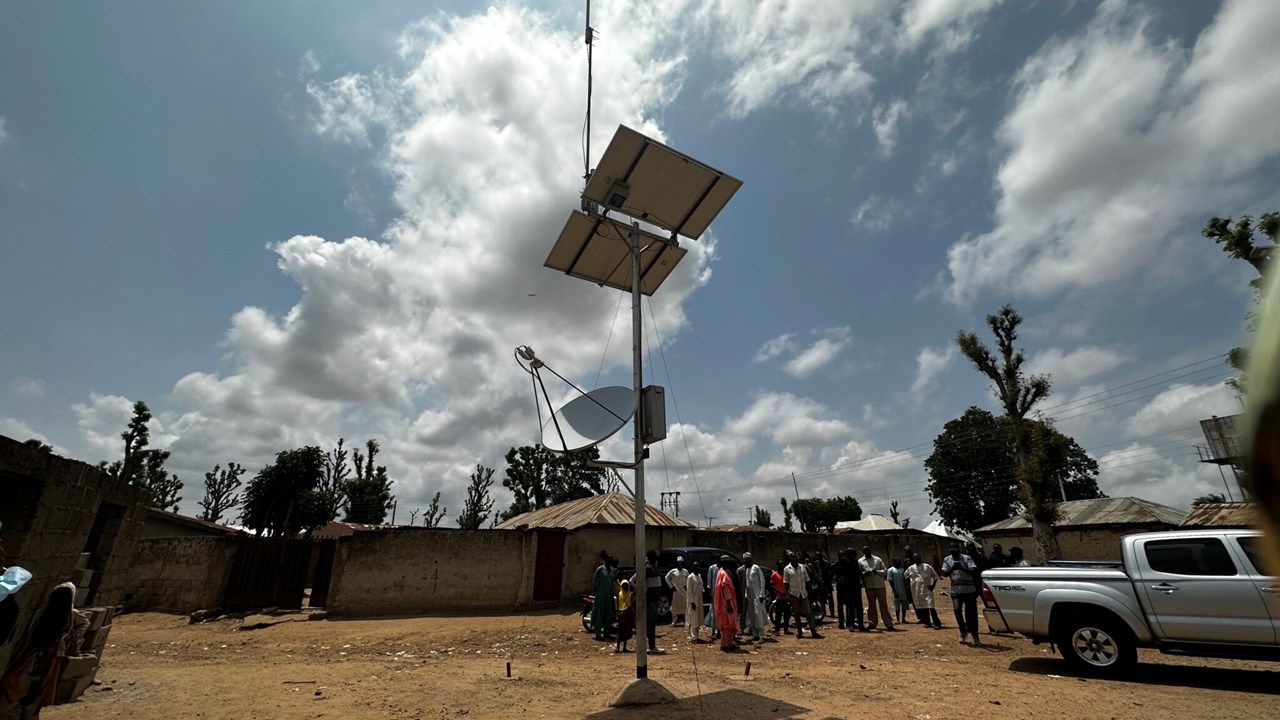
One of the greatest advantages of Starlink is its ability to provide internet connectivity in remote and underserved regions. Many areas across Kenya still lack reliable fiber infrastructure or strong mobile network coverage. In such locations, accessing stable internet can be extremely difficult.
Starlink solves this challenge by delivering internet directly from satellites orbiting the Earth. As long as the user terminal has a clear view of the sky, it can connect to the satellite network and provide internet access regardless of location. This makes the service particularly valuable for rural homes, farms, remote schools, and tourism facilities located far from major towns.
By expanding connectivity to areas previously left behind, Starlink is helping bridge the digital divide between urban and rural communities in Kenya.
4.2 High-Speed Internet for Homes and Businesses
Starlink is designed to provide broadband-level internet speeds that support a wide range of online activities. Homes and businesses can use the service for everyday tasks such as browsing the web, streaming content, conducting video meetings, and running cloud-based applications.
For businesses, reliable internet is essential for communication, online transactions, digital marketing, and accessing global markets. Starlink allows companies operating outside major cities to maintain strong digital connectivity without depending on traditional infrastructure.
This level of connectivity is also beneficial for households that rely on multiple connected devices, enabling families to access online services, entertainment platforms, and communication tools simultaneously.
4.3 Low Latency for Modern Digital Applications
Latency refers to the time it takes for data to travel between a user’s device and the server providing the information. High latency can cause delays that affect activities such as video conferencing, online gaming, and real-time communication.
Starlink significantly reduces latency because its satellites operate in low Earth orbit, much closer to the planet than traditional satellite systems. The shorter distance allows signals to travel faster, resulting in quicker response times.
This improvement makes satellite internet more suitable for modern digital applications that require real-time interaction. Users can participate in video calls, collaborate online, and access cloud services with greater efficiency.
4.4 Enabling Remote Work and Online Education
The rise of remote work and digital learning has increased the importance of reliable internet connectivity. Professionals now depend on stable internet connections to attend virtual meetings, manage projects online, and communicate with teams located in different parts of the world.
Similarly, educational institutions increasingly rely on digital platforms for teaching, research, and collaboration. Students need access to online resources, virtual classrooms, and digital learning tools to support their academic development.
Starlink helps enable these opportunities by providing consistent connectivity even in regions where traditional internet services are limited. This allows students and professionals in remote locations to participate fully in the digital economy.
4.5 Supporting Kenya’s Digital Economy Growth
Reliable internet connectivity plays a crucial role in supporting Kenya’s growing digital economy. Entrepreneurs, startups, and established businesses all rely on stable internet access to innovate, communicate with customers, and expand their operations.
By improving connectivity across rural and underserved regions, Starlink helps create new opportunities for economic growth. Small businesses in remote areas can access online markets, tourism facilities can serve international customers more efficiently, and digital services can expand beyond urban centers.
As internet access becomes more widely available, Starlink contributes to strengthening Kenya’s digital infrastructure and supporting the country’s broader vision of technological development and economic progress.
5. Who Can Benefit from Starlink in Kenya

5.1 Rural Homes and Residential Users
Many rural homes in Kenya face limited internet connectivity due to the absence of fiber networks and weak mobile coverage. Residents in these areas often struggle with slow or unreliable connections that make it difficult to access online services, educational resources, and digital communication tools.
Starlink offers a reliable alternative by delivering internet directly from satellites. With a properly installed dish and router, households can access high-speed internet regardless of how remote their location may be. Families can stream content, attend virtual meetings, connect with relatives, and access online information with greater convenience.
For rural communities, this improved connectivity helps reduce digital isolation and allows residents to participate more actively in the modern digital world.
5.2 Schools and Educational Institutions
Educational institutions benefit greatly from reliable internet connectivity. Schools require stable connections to access digital learning platforms, online research materials, and collaborative tools used by teachers and students.
In many remote areas, schools struggle to integrate technology into their learning environments because of poor internet access. Starlink provides an opportunity for these institutions to connect to global educational resources and improve digital learning experiences.
Students can participate in virtual classrooms, access online libraries, and use interactive educational tools that enhance the learning process. Reliable connectivity also supports communication between schools, parents, and education authorities.
5.3 Businesses and Corporate Organizations
Businesses increasingly depend on reliable internet connectivity to manage operations, communicate with clients, and access cloud-based systems. Companies located outside major urban centers often face challenges when traditional internet providers cannot deliver consistent service.
Starlink allows businesses in remote or semi-urban locations to maintain stable connectivity that supports digital operations. Organizations can run online platforms, manage remote teams, conduct video meetings, and access global markets without being limited by their geographic location.
For corporate organizations operating multiple branches or remote facilities, satellite internet provides an additional layer of connectivity that helps maintain operational continuity.
5.4 Farms and Agricultural Enterprises
Agriculture plays a major role in Kenya’s economy, and many farms are located in areas where internet connectivity is limited. Access to reliable internet can help farmers adopt modern technologies that improve productivity and efficiency.
With stable internet connectivity, farms can implement digital tools such as weather monitoring systems, smart irrigation technologies, livestock tracking, and online agricultural marketplaces. These technologies enable farmers to make better decisions and access information that supports sustainable farming practices.
Starlink helps bring these digital tools to farms located far from urban centers, allowing agricultural enterprises to become more connected and technologically advanced.
5.5 Tourism Facilities and Remote Lodges
Kenya’s tourism industry includes many lodges, camps, and resorts located in remote national parks and conservation areas. Providing reliable internet connectivity in such locations has traditionally been difficult due to the absence of fiber infrastructure and weak mobile signals.
Starlink allows these facilities to offer dependable internet access for both guests and staff. Visitors can stay connected during their travels, share their experiences online, and communicate with family or colleagues while enjoying remote destinations.
For tourism operators, reliable connectivity improves operational efficiency, supports digital booking systems, and enhances the overall guest experience. This makes satellite internet a valuable solution for hospitality businesses operating in remote areas.
6. Starlink Installation in Kenya

6.1 Components Included in the Starlink Kit
A typical Starlink installation begins with the equipment provided in the Starlink kit. The kit usually includes the satellite dish (also known as the user terminal), a Wi-Fi router, mounting hardware, and the necessary cables for connecting the system.
The satellite dish is the most important component because it communicates directly with the satellites orbiting the Earth. The router distributes the internet connection to devices within the home or office, creating a wireless network that users can connect to. The cables and mounting accessories ensure that the system is securely installed and properly connected.
Together, these components form a complete system designed to provide reliable satellite internet connectivity.
6.2 Choosing the Best Installation Location
The location of the Starlink dish plays a critical role in determining the quality of the internet connection. For the system to function properly, the dish must have a clear and unobstructed view of the sky.
Trees, tall buildings, and other physical obstacles can interfere with the signal between the dish and the satellites. When choosing an installation location, it is important to select a position where the dish can maintain an uninterrupted line of sight to the sky.
In many cases, rooftops provide the most suitable installation point because they offer a wide and open view of the surrounding environment.
6.3 Mounting the Starlink Dish Correctly
Proper mounting ensures that the Starlink dish remains stable and aligned for optimal performance. The dish is typically mounted on a roof, pole, or elevated structure to provide the best possible signal reception.
Once installed, the dish automatically adjusts its orientation to connect with satellites moving across the sky. This automated alignment allows the system to maintain consistent connectivity without requiring manual adjustments.
Secure mounting is important not only for signal stability but also for protecting the equipment from environmental factors such as wind and weather.
6.4 Configuring the Router and Network Settings
After the dish is installed and connected, the next step involves configuring the router and network settings. The router creates the wireless network that allows devices such as smartphones, laptops, and smart televisions to connect to the internet.
The setup process typically involves connecting the router to the dish using the provided cable and using the Starlink mobile application to complete the configuration. Through the application, users can manage network settings, monitor performance, and troubleshoot potential connectivity issues.
Once the setup is complete, the system begins providing internet connectivity throughout the home or office network.
6.5 Advantages of Professional Starlink Installation
Although the Starlink system is designed to be relatively easy to install, professional installation can provide several advantages. Experienced technicians understand how to position the dish correctly, secure mounting structures, and optimize network performance.
Professional installers can also integrate the Starlink system with existing networking equipment such as switches, access points, and enterprise routers. This is especially important for businesses, schools, and institutions that require reliable connectivity across multiple rooms or buildings.
By ensuring proper setup and configuration, professional installation helps maximize the performance and reliability of the Starlink system.
7. Starlink vs Other Internet Options in Kenya
7.1 Starlink vs Fiber Internet
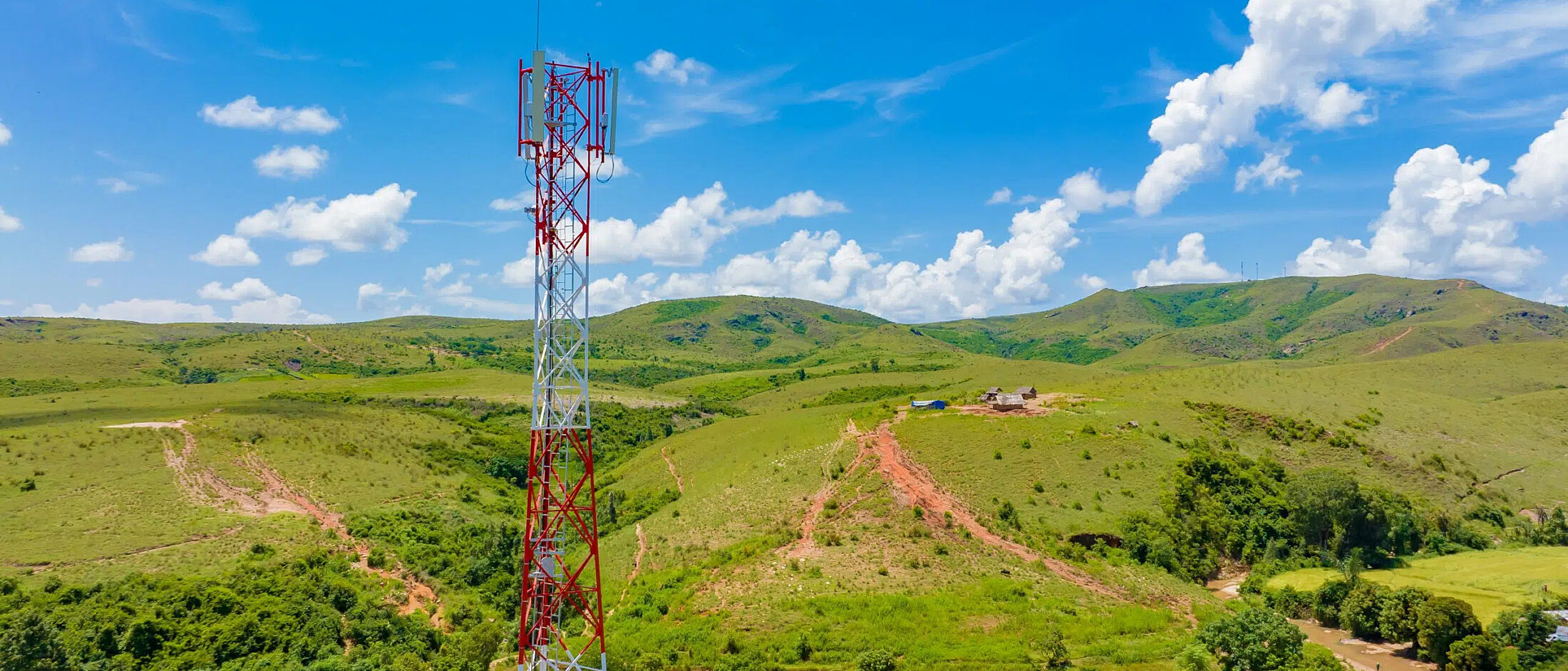
Fiber internet is widely considered one of the fastest and most reliable forms of internet connectivity. It uses fiber optic cables to transmit data at extremely high speeds, making it ideal for densely populated urban areas where infrastructure can be easily installed.
However, fiber networks require extensive physical infrastructure, including underground cables and distribution points. This makes it difficult and expensive to deploy fiber connectivity in remote or sparsely populated regions.
Starlink, on the other hand, delivers internet through satellites in space. Because it does not rely on physical cables, it can provide connectivity in locations where fiber infrastructure does not exist. While fiber may still offer higher speeds in some cases, Starlink provides a practical solution for areas where fiber cannot easily reach.
7.2 Starlink vs 4G and 5G Mobile Networks
Mobile internet services such as 4G and emerging 5G networks are widely used across Kenya. These services rely on cellular towers that transmit signals to smartphones and wireless devices.
In urban areas with strong tower coverage, mobile networks can provide fast and convenient internet access. However, performance often depends on network congestion, signal strength, and the distance between the user and the nearest tower.
Starlink does not depend on cellular towers, which allows it to provide more consistent connectivity in remote areas where mobile signals may be weak or unavailable. This makes satellite internet particularly useful for users located far from urban infrastructure.
7.3 Starlink vs Fixed Wireless Internet
Fixed wireless internet is another connectivity option that uses radio signals transmitted between towers and customer antennas. This type of internet is commonly used in areas where fiber infrastructure is unavailable but wireless towers can be deployed.
While fixed wireless can provide reliable connectivity within a limited coverage area, its performance may be affected by obstacles such as terrain, buildings, and distance from the transmission tower.
Starlink differs because it connects directly to satellites in orbit rather than relying on nearby towers. As long as the dish has a clear view of the sky, users can maintain connectivity even in locations where fixed wireless infrastructure is not available.
7.4 Internet Reliability in Rural vs Urban Areas
Urban areas in Kenya typically have access to multiple internet providers, including fiber, mobile networks, and fixed wireless services. This competition often results in better connectivity options for residents and businesses in cities.
In contrast, rural areas often have fewer options due to the cost and complexity of deploying traditional infrastructure. Many communities must rely on slower connections or unstable mobile networks.
Starlink helps address this imbalance by providing reliable internet connectivity regardless of location. By using satellite technology, the service enables rural homes, farms, schools, and businesses to access internet services similar to those available in urban environments.
7.5 Choosing the Best Internet Solution for Your Needs
The best internet solution depends on several factors, including location, internet usage requirements, and available infrastructure. For users in cities with access to fiber networks, fiber internet may remain the fastest option.
However, for individuals and organizations located in remote areas where fiber infrastructure is unavailable and mobile signals are weak, Starlink provides a reliable and effective alternative.
By evaluating factors such as speed requirements, reliability, and geographic location, users can determine which internet solution best meets their connectivity needs.
8. Challenges and Considerations When Using Starlink

8.1 Weather and Environmental Factors
Although Starlink is designed to operate in various weather conditions, environmental factors can sometimes influence signal performance. Heavy rainfall, thunderstorms, or dense cloud cover may slightly affect the strength of the satellite signal.
In most cases, these disruptions are temporary and the system quickly stabilizes once weather conditions improve. Modern satellite technology has significantly reduced weather-related interruptions compared to older satellite systems. However, users in regions that experience intense storms may occasionally notice minor fluctuations in speed.
Ensuring that the dish is installed in an open area without obstructions such as trees or tall structures can help maintain a stronger and more consistent connection.
8.2 Power Requirements for Starlink Equipment
Starlink equipment requires a continuous power supply to function properly. The satellite dish and router both depend on electricity to communicate with the satellite network and distribute internet connectivity.
In locations where power outages are common, users may need to consider backup power solutions such as battery systems, inverters, or solar installations. These solutions help ensure that the internet connection remains active even during power interruptions.
Reliable power infrastructure is therefore an important factor to consider when planning a Starlink installation.
8.3 Installation Challenges in Dense Urban Areas
While Starlink works well in open environments, installation can sometimes be more challenging in densely populated urban areas. Tall buildings, walls, and other structures may block the dish’s view of the sky, which can interfere with signal reception.
In such cases, the dish may need to be installed on rooftops or elevated mounting structures to achieve a clear line of sight to the satellites. Proper placement is essential for maintaining consistent connectivity.
Professional installation can help address these challenges by identifying the most suitable location for the dish.
8.4 Optimizing WiFi Coverage in Large Buildings
For homes or offices with large floor spaces, a single router may not provide sufficient WiFi coverage throughout the entire building. Signal strength may weaken as distance increases or when walls and other obstacles block wireless signals.
To improve coverage, users may need to install additional networking equipment such as WiFi extenders, mesh systems, or access points. These devices help distribute the internet signal more evenly across larger spaces.
Optimizing the internal network ensures that all connected devices can benefit from the high-speed internet provided by Starlink.
8.5 Maintenance and Monitoring of Starlink Systems
Although Starlink systems require relatively minimal maintenance, periodic monitoring is important to ensure optimal performance. Users should occasionally check the equipment to confirm that the dish remains securely mounted and free from obstructions such as debris or overgrown vegetation.
Software updates and system monitoring through the Starlink application also help maintain network efficiency. The application allows users to track connection quality, detect potential obstructions, and troubleshoot connectivity issues if they arise.
Regular monitoring ensures that the system continues delivering stable and reliable internet connectivity over time.
9. The Future of Starlink in Kenya
9.1 Expansion of the Starlink Satellite Constellation
One of the most significant developments shaping the future of Starlink is the continuous expansion of its satellite constellation. Thousands of satellites are already orbiting the Earth, and more are being launched regularly to strengthen global coverage.
As the number of satellites increases, the network becomes more capable of handling higher volumes of internet traffic while maintaining stable connections. This expansion helps improve service availability and ensures that users can connect to satellites more consistently throughout the day.
For users in Kenya, a larger satellite network means improved connectivity and better access to reliable internet services even in the most remote areas.
9.2 Improvements in Internet Speeds and Latency
As satellite technology continues to evolve, improvements in internet speeds and latency are expected. New generations of satellites are designed with more advanced communication systems that allow them to transmit larger amounts of data more efficiently.
These technological advancements will enable faster download and upload speeds while further reducing latency. Lower latency is especially important for applications such as video conferencing, online collaboration, and cloud computing.
As the network continues to mature, users in Kenya may experience even more reliable and faster internet connectivity compared to the early stages of the technology.
9.3 Increasing Adoption Across Industries
Satellite internet is expected to become increasingly important across various industries in Kenya. Businesses operating in remote locations can benefit from reliable connectivity that supports communication, digital transactions, and access to cloud-based services.
Industries such as agriculture, tourism, logistics, and research are particularly well positioned to benefit from satellite internet technology. Farms can adopt smart agricultural systems, tourism operators can provide connectivity for guests, and field researchers can access real-time data from remote locations.
As awareness of the technology grows, more organizations are likely to adopt satellite internet as part of their connectivity strategies.
9.4 Role of Satellite Internet in Kenya’s Digital Transformation
Kenya continues to pursue ambitious goals aimed at strengthening its digital economy and expanding internet access across the country. Reliable connectivity is essential for achieving these goals, particularly in regions where traditional infrastructure remains limited.
Satellite internet can play a critical role in supporting national connectivity initiatives by reaching communities that are difficult to connect through fiber or mobile networks. This can help expand digital services such as online education, telemedicine, e-government platforms, and digital financial services.
By improving internet accessibility across the country, satellite technology contributes to creating a more inclusive digital environment.
9.5 Future Innovations in Global Satellite Connectivity
The future of satellite internet is expected to include several technological innovations aimed at improving performance and expanding capabilities. Advances in satellite communication systems, artificial intelligence, and network management will help optimize how data moves across global networks.
Future satellites may also feature enhanced inter-satellite communication technologies that allow them to transmit data directly between satellites without relying heavily on ground stations. This could further improve the efficiency and reliability of global connectivity.
As these innovations continue to develop, satellite internet services such as Starlink are likely to become even more powerful tools for connecting people, businesses, and institutions around the world, including across Kenya.
10. Frequently Asked Questions About Starlink in Kenya
10.1 What Is Starlink Internet and How Does It Work?
Starlink is a satellite internet service developed by SpaceX that provides broadband connectivity using a network of satellites orbiting the Earth in low Earth orbit (LEO). Instead of relying on cables or mobile towers, users connect to the internet through a satellite dish installed at their home or business.
When a user sends data through their device, the signal travels from the router to the Starlink dish and then to a satellite overhead. The satellite relays the signal to ground stations connected to the global internet infrastructure. The response travels back through the same path, allowing users to access websites, video calls, and online services.
10.2 Is Starlink Available Everywhere in Kenya?
Starlink coverage extends across most parts of Kenya because it does not rely on traditional infrastructure such as fiber cables or cellular towers. As long as the installation location has a clear view of the sky, users can connect to the satellite network.
This wide coverage makes Starlink especially useful for rural homes, remote businesses, farms, and tourism facilities where other internet options may be limited.
10.3 How Fast Is Starlink Internet in Kenya?
Starlink offers broadband speeds capable of supporting activities such as video streaming, cloud computing, video conferencing, and online gaming. The service is designed to provide faster speeds and lower latency compared to traditional satellite internet systems.
This improved performance is possible because Starlink satellites operate much closer to the Earth than older satellites, reducing the distance signals must travel and improving response times.
10.4 What Equipment Is Required for Starlink Installation?
A standard Starlink installation includes several key components:
-
A satellite dish (user terminal) that communicates with satellites
-
A Wi-Fi router that distributes the internet connection
-
Mounting hardware for installation
-
Power and network cables
The dish automatically aligns itself with satellites in orbit and can be mounted on rooftops, poles, or open ground as long as it has a clear view of the sky.
10.5 Can Starlink Be Used for Businesses and Schools?
Yes. Starlink can support reliable connectivity for businesses, schools, and institutions. Organizations use it for video conferencing, digital collaboration, cloud-based applications, and access to online learning platforms.
Because the system works well in remote areas, it is particularly valuable for institutions located outside major urban centers where traditional internet infrastructure may be limited.
10.6 Does Weather Affect Starlink Internet Performance?
Severe weather conditions such as heavy rainfall or storms may occasionally reduce signal strength for a short time. However, modern satellite systems are designed to operate in most weather conditions, and any disruption is usually temporary.
Ensuring that the dish has a clear view of the sky and is installed correctly can help maintain stable connectivity even during challenging weather.
10.7 Can Starlink Support Multiple Devices in a Home or Office?
Yes. The router included in the Starlink system distributes the internet connection across multiple devices. Smartphones, laptops, tablets, smart TVs, and other devices can all connect to the network at the same time.
The total number of devices supported depends on how much bandwidth is being used, but most homes and small offices can comfortably connect multiple devices simultaneously.
10.8 Is Professional Installation Recommended for Starlink?
Although Starlink is designed for simple installation, professional setup can improve performance and reliability. Technicians can ensure that the dish is positioned correctly, securely mounted, and connected to the internal network.
Professional installation is especially beneficial for large homes, businesses, schools, or buildings that require advanced networking equipment such as routers, switches, and access points.
Unlock the Full Power of Starlink Internet with Spacelink Kenya

Reliable high-speed internet is becoming one of the most important pillars supporting Kenya’s digital future. Businesses depend on stable connectivity to run cloud systems, schools require reliable internet for online learning, and individuals increasingly rely on digital platforms for communication, work, and entertainment. As the demand for faster and more dependable internet continues to grow, innovative technologies such as Starlink are helping transform how connectivity is delivered across the country.
By using advanced low-Earth-orbit satellites, Starlink is helping close the connectivity gap that has long existed between urban and rural areas. Homes, schools, farms, tourism facilities, and businesses located far from traditional infrastructure can now access high-speed internet that supports modern digital activities. This expansion of connectivity is enabling communities across Kenya to participate more fully in the digital economy while unlocking new opportunities for education, entrepreneurship, and innovation.
To fully benefit from Starlink technology, proper installation and network optimization are essential. Professional configuration ensures that the satellite dish is positioned correctly, the network is optimized for performance, and connectivity remains stable across homes and organizations. Working with the experienced team at Spacelink Kenya helps ensure your connection remains active, optimized, and uninterrupted while you enjoy the full power of satellite internet across Kenya.
Table of Contents
