-1769174411.jpg)
Compare Starlink with Amazon LEO
BackCompare Starlink with Amazon LEO: Key Differences, Coverage & Performance

Satellite internet has evolved significantly over the past decade. Traditional satellites orbit far from Earth, resulting in high latency and inconsistent speeds, which limited their usefulness for homes and businesses. The new generation of Low Earth Orbit (LEO) satellites, however, operates much closer to the planet, delivering faster, more reliable internet even in areas where fiber and
1. Overview of Starlink and Amazon LEO

Understanding the basics of both Starlink and Amazon LEO (Project Kuiper) is essential for Kenyan users who want reliable satellite internet for homes, businesses, or remote areas.
1.1 What Starlink Is
Starlink is a satellite-based internet service developed by SpaceX. It uses a constellation of Low Earth Orbit (LEO) satellites to provide high-speed internet to virtually any location on Earth.
Key points:
-
Global coverage: Thousands of operational satellites provide connectivity worldwide, including Kenya.
-
Low latency: Typically 20–40 milliseconds, suitable for streaming, online gaming, and video calls.
-
User-friendly setup: Comes with a self-aligning satellite dish and Wi-Fi router.
-
Continuous expansion: SpaceX regularly launches new satellites to improve speed, coverage, and reliability.
1.2 What Amazon LEO (Project Kuiper) Is
Amazon LEO, also known as Project Kuiper, is Amazon’s satellite internet initiative. It aims to deliver broadband internet via thousands of LEO satellites, similar to Starlink, but is still in the development and deployment phase.
Key points:
-
Planned global coverage: Amazon plans to deploy over 3,000 satellites.
-
Targeted for various users: Aims to serve homes, businesses, and underserved communities worldwide.
-
Future competition: Expected to provide an alternative to Starlink once operational.
-
Amazon ecosystem integration: Could integrate with Amazon services and cloud infrastructure.
1.3 Current Operational Status of Both Services
Key points:
-
Starlink: Already operational in Kenya with verified service in cities, towns, and some rural areas.
-
Amazon LEO: Deployment is ongoing globally; service is not yet available in Kenya.
-
Performance comparison: Starlink provides tested, reliable internet, while Amazon LEO’s performance in Kenya remains unconfirmed until the network is launched.
Starlink is currently the available and proven satellite internet option for Kenyan users, offering high-speed, low-latency connectivity across urban and remote areas. Amazon LEO promises to introduce competition in the future, but it is still in the planning and deployment phase, making Starlink the practical choice today.
2. Satellite Constellation and Coverage
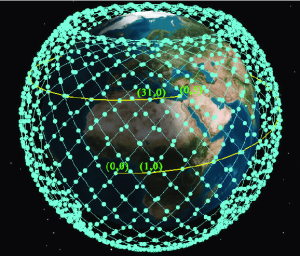
The size and placement of satellite constellations determine coverage, speed, and reliability for users. Starlink and Amazon LEO differ in how many satellites they have or plan to deploy and how these satellites serve Kenya.
2.1 Number of Satellites Planned and Deployed
Starlink:
-
Thousands deployed: Over 5,000 operational satellites are currently in orbit.
-
Continuous expansion: SpaceX regularly launches new satellites to improve coverage and network capacity.
-
Impact in Kenya: More satellites in orbit means better coverage and higher speeds even in rural or hard-to-reach areas.
Amazon LEO (Project Kuiper):
-
Planned deployment: Amazon plans to launch over 3,000 satellites.
-
Current status: Satellites are still being launched; none are fully operational in Kenya yet.
-
Future potential: Once complete, Project Kuiper could offer extensive coverage similar to Starlink.
2.2 Global and Regional Coverage Differences
Starlink:
-
Global coverage: Operational in most countries, including parts of Africa.
-
Kenya coverage: Available in major cities (Nairobi, Mombasa, Kisumu) and many rural areas.
-
Consistency: Users generally experience stable, high-speed internet where Starlink is deployed.
Amazon LEO:
-
Global vision: Designed for worldwide coverage but currently limited to launch sites and testing areas.
-
Regional limitations: Kenyan users will need to wait until satellites are fully deployed.
-
Future competition: Amazon LEO aims to match Starlink’s global reach once operational.
2.3 Availability in Remote Areas
Starlink:
-
Remote coverage: Works in rural homes, farms, lodges, and areas with limited fiber or mobile networks.
-
Direct-to-satellite connection: Users only need a clear view of the sky.
-
Practical use: Already being used in underserved regions of Kenya.
Amazon LEO:
-
Expected remote access: Promises similar remote coverage but will only be available once the constellation is fully operational.
-
Reliability: Actual performance in Kenyan rural areas is yet to be tested.
In terms of satellite constellation and coverage, Starlink currently leads in Kenya with thousands of deployed satellites and proven service, while Amazon LEO has strong future potential but is still in the deployment phase. For users who need immediate access, Starlink offers reliable connectivity today, including in remote and underserved areas.
3. Internet Speeds and Latency

When comparing satellite internet, speed and latency are crucial factors, as they determine how well users can stream, work, study, or run online businesses.
3.1 Expected Download and Upload Speeds
Starlink:
-
Download speeds: Typically 50–250 Mbps in Kenya, depending on location and network congestion.
-
Upload speeds: Around 10–40 Mbps, enough for video calls, cloud uploads, and online collaboration.
-
Consistency: Speeds are fairly stable even in rural and remote areas due to Starlink’s large satellite constellation.
Amazon LEO (Project Kuiper):
-
Expected speeds: Amazon claims similar download and upload speeds once the network is operational.
-
Testing stage: Real-world speeds in Kenya are not yet available, as the satellites are still being deployed.
3.2 Latency Performance
Starlink:
-
Low latency: Typically 20–40 milliseconds, much lower than traditional geostationary satellites.
-
Practical impact: Supports online gaming, video calls, and live streaming without noticeable lag.
Amazon LEO:
-
Expected latency: Project Kuiper aims for similar low-latency performance, but real-world tests in Kenya are pending.
-
Potential: Latency will likely be competitive with Starlink once fully deployed.
3.3 Factors Affecting Real-World Speeds
-
Weather conditions: Heavy rain or storms may temporarily reduce speeds.
-
Network congestion: Speeds can vary when many users are connected simultaneously.
-
Obstructions: Trees, buildings, or hills blocking the dish’s view of the sky can affect performance.
-
Equipment quality: Using the proper satellite dish and router ensures optimal speeds.
In Kenya, Starlink currently provides reliable high-speed internet with low latency, making it suitable for homes, businesses, and remote areas. Amazon LEO has strong potential to deliver similar performance, but it is not yet operational, so Starlink remains the practical choice for users seeking immediate and dependable satellite internet.
4. User Equipment and Packages
 The equipment and subscription packages determine how users access and use satellite internet. Starlink and Amazon LEO differ in what they offer and how users connect to their networks.
4.1 Starlink Terminals, Routers, and Packages
-
Starlink terminal (dish): Small, self-aligning satellite dish that automatically tracks satellites.
-
Wi-Fi router: Included with the kit to provide internet to multiple devices in the home or office.
-
Installation options: Users can self-install or opt for professional setup.
-
Packages:
-
Residential: Designed for home use, streaming, work-from-home, and learning.
-
Business: Higher performance and priority support for offices, SMEs, and corporate users.
-
Portable/Roam: For travelers, remote workers, or mobile setups.
-
Maritime & Aviation: Specialized terminals for boats and aircraft.
-
4.2 Expected Amazon LEO User Terminals and Packages
-
User terminal: Project Kuiper plans to offer a similar self-installing satellite dish and router, but specifics are not fully available.
-
Package options: Amazon LEO aims to provide residential, business, and mobile plans, similar to Starlink.
-
Deployment status: Equipment and packages will only become available once satellites are fully operational in Kenya.
4.3 Residential vs Business Options
-
Residential: Suitable for households, streaming, online learning, and casual work.
-
Business: Offers higher priority access, faster speeds, and reliability, supporting offices, SMEs, schools, and institutions.
-
Mobile/Portable: Both Starlink and Amazon LEO aim to support users who move between locations or work remotely, though Starlink is currently the only operational option in Kenya.
Starlink currently provides ready-to-use terminals and flexible packages for homes, businesses, and mobile users in Kenya, while Amazon LEO promises similar options in the future but is still in the planning and deployment phase. For Kenyan users seeking immediate connectivity, Starlink is the practical and proven choice.
5. Future Outlook for Satellite Internet in Kenya

5.1 Will satellite internet become more affordable in the future?
Yes. As more Low Earth Orbit (LEO) providers like Amazon LEO enter the market, competition is expected to increase. This could lead to more competitive pricing, improved packages, and flexible plans for homes and businesses in Kenya. Starlink has already shown pricing adjustments in some regions as its network expands.
5.2 How will competition between Starlink and Amazon LEO benefit users?
Increased competition encourages innovation and better service delivery. Users can expect faster speeds, improved reliability, enhanced customer support, and more tailored packages for residential and business users. Kenyan consumers will benefit from having more satellite internet options.
5.3 Will satellite internet replace fiber and 4G in Kenya?
Satellite internet will not fully replace fiber or mobile networks. Fiber remains ideal for dense urban areas, while 4G and 5G serve mobile users. Satellite internet will continue to complement these technologies by providing reliable connectivity in rural, remote, and underserved regions.
5.4 What does this mean for rural and remote communities?
Rural communities will benefit significantly from satellite internet. Schools, hospitals, farms, lodges, and remote businesses will gain access to reliable high-speed internet without waiting for fiber expansion, supporting education, healthcare, and economic growth.
5.5 Should users wait for Amazon LEO or choose Starlink now?
For users who need immediate internet access, Starlink is the best option since it is already operational and proven in Kenya. Amazon LEO may become a viable alternative in the future, but there is no confirmed launch date or performance data for Kenya yet.
5.6 How can businesses prepare for future satellite options?
Businesses can deploy Starlink now and plan for redundancy by integrating Amazon LEO once it becomes available. Using multiple providers can enhance uptime, ensure business continuity, and support critical operations.
6. Frequently Asked Questions (FAQs)
6.1 Is Starlink faster than Amazon LEO?
Starlink is already operational in Kenya, offering download speeds of 50–250 Mbps with latency of 20–40 ms. Amazon LEO is still in deployment, so real-world performance in Kenya is not yet available.
6.2 Can Amazon LEO provide service in rural areas before Starlink?
No. Starlink already serves both urban and rural areas in Kenya. Amazon LEO will only offer rural coverage once its satellite constellation is fully deployed.
6.3 How much does Starlink cost compared to Amazon LEO?
Starlink has a clear pricing model with a one-time hardware cost and a monthly subscription. Amazon LEO pricing has not yet been announced for Kenya.
6.4 When will Amazon LEO be fully operational?
Amazon’s Project Kuiper is still in the deployment phase. Full coverage, including Kenya, is expected in the coming years. Starlink is already live.
6.5 Can both Starlink and Amazon LEO coexist for businesses?
Yes. Once Amazon LEO becomes available, businesses can use both services for redundancy, load balancing, and improved reliability
Compare Starlink and Amazon LEO with Spacelink
Starlink and Amazon LEO are both innovative satellite internet solutions, but they differ in coverage, speed, and availability. Starlink currently offers widespread service with proven reliability in urban and rural areas, while Amazon LEO is still expanding and may suit regions where its network is available. Understanding these differences helps users choose the service that best fits their connectivity needs.
For individuals, homes, or small businesses seeking immediate, dependable internet, Starlink is often the ideal choice due to its established network and consistent performance. Amazon LEO may appeal to users looking for future scalability or broader enterprise-focused solutions once fully deployed. Matching your internet needs to the right provider ensures maximum value and performance.
Explore the latest Starlink packages and find the perfect option for you by visiting Spacelink. Their expert team provides guidance, professional setup, and support, making it easy to upgrade your internet experience and enjoy fast, reliable connectivity wherever you are.
Table of Contents
