How to Get Starlink Direct to Cell in 2025: Complete Guide
Starlink Direct to Cell (also known as Direct-to-Cell or DTC) is SpaceX’s revolutionary technology that turns satellites into “cell towers in space.” It allows standard smartphones to connect directly to Starlink satellites for texting, voice, and data in areas without traditional cellular coverage—no special hardware or dish required.
As of December 2025, the service is live and expanding globally, primarily through partnerships with mobile carriers. In the US, it’s branded as T-Satellite via T-Mobile (powered by over 650 Starlink satellites). Texting and select app data are widely available, with voice and broader data capabilities rolling out progressively.
This guide covers everything you need to know to get Starlink Direct to Cell, including eligibility, compatible phones, pricing, and step-by-step activation.
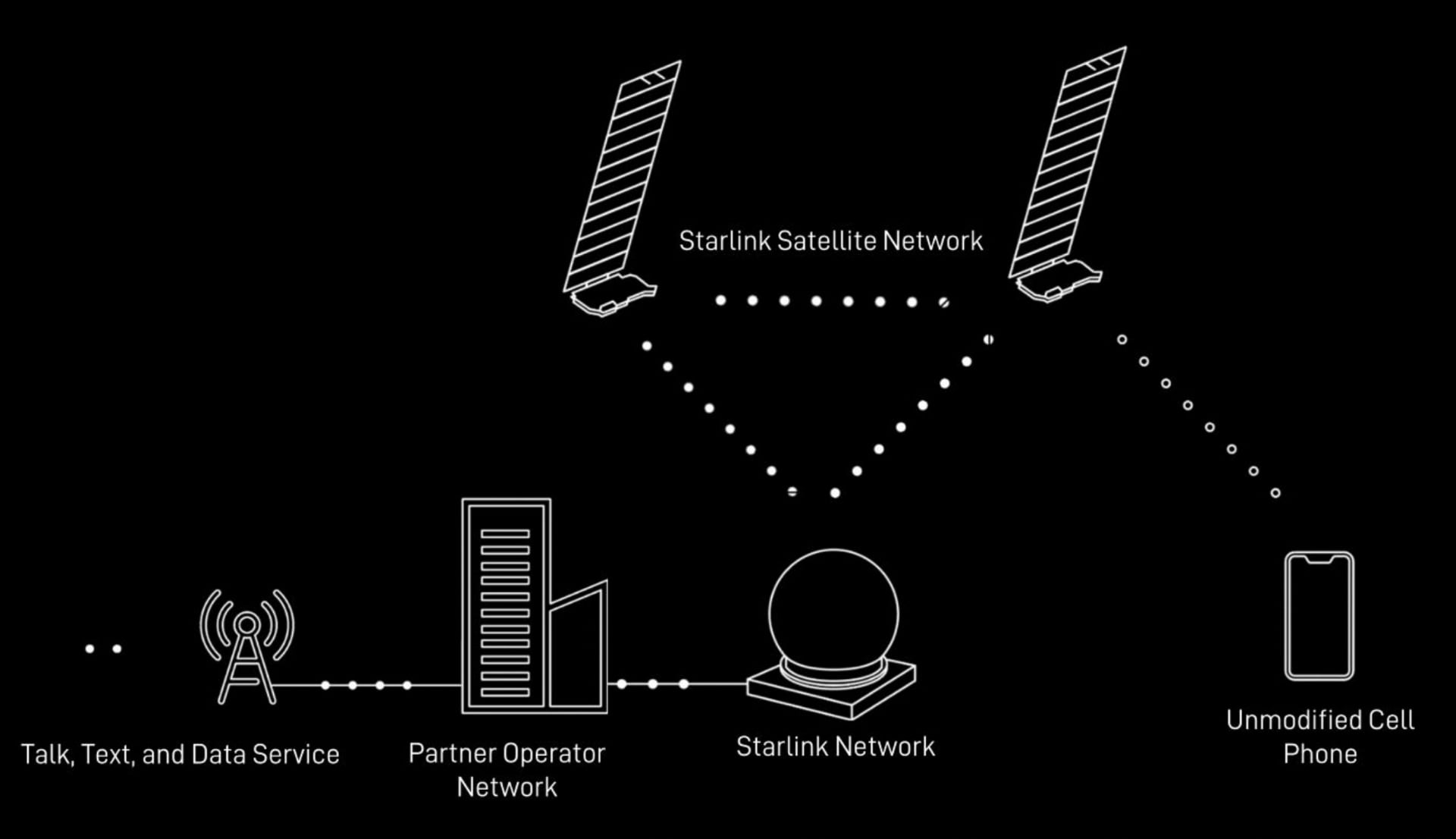

What Is Starlink Direct to Cell?
Starlink Direct to Cell uses low-Earth orbit satellites equipped with advanced modems to beam cellular signals directly to unmodified LTE/4G/5G phones. Key benefits:
- Works wherever you have a clear view of the sky.
- Automatically connects when terrestrial coverage is unavailable (shows “T-Mobile SpaceX” or “T-Sat+Starlink” on your phone).
- Currently supports texting, location sharing, select apps (e.g., Google Maps, AllTrails), and emergency 911 texting.
- Voice calls and full data expected to expand further by late 2025/early 2026.
It’s not sold directly by Starlink—it’s integrated through partner carriers like T-Mobile (US), One NZ (New Zealand), Rogers (Canada), Kyivstar (Ukraine), and others.
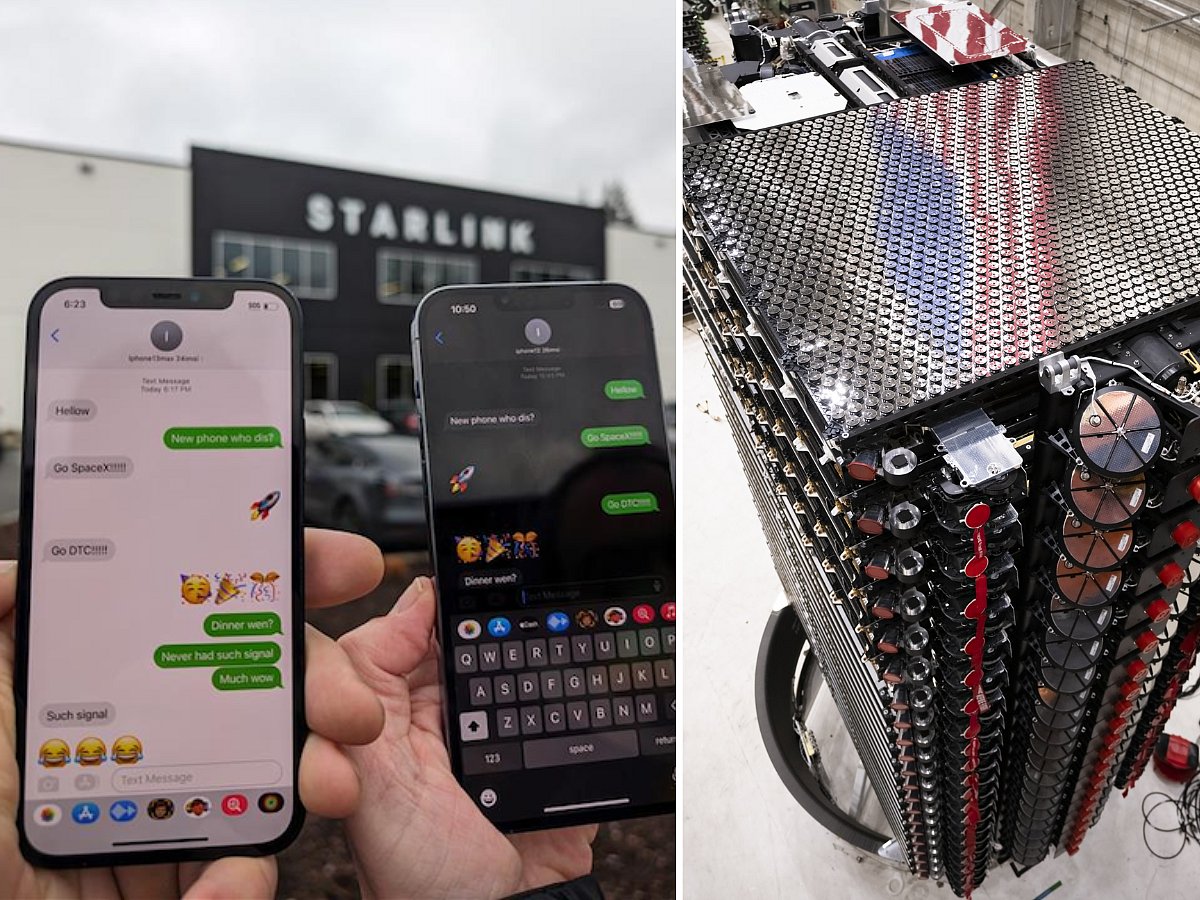
Is Starlink Direct to Cell Available Now?
Yes!
- Launched commercially in the US in July 2025 via T-Mobile.
- Texting service is live across the continental US, Hawaii, Puerto Rico, and parts of Alaska.
- Global expansion ongoing with partners in over 10 countries.
- Over 8 million people worldwide already use it in remote areas.
Requirements to Get Starlink Direct to Cell
- Compatible Smartphone: Most modern LTE phones work, but optimized models perform best. Common compatible devices (as of late 2025):
- iPhone 14 and newer (including Pro/Max).
- Samsung Galaxy S21 and newer.
- Google Pixel 9 series.
- Recent Motorola models (2024+ razr, edge, g series).
Check your carrier’s support page for the full list—T-Mobile has over 60 supported phones.

- Carrier Plan:
- In the US: Primarily through T-Mobile. Available to T-Mobile customers and (for an add-on fee) AT&T/Verizon users via roaming/eSIM.
- Outside the US: Contact your local partner carrier (e.g., Kyivstar in Ukraine, Rogers in Canada).
- Location: Must be in a supported coverage area with clear sky view. It activates only when no ground-based signal is available.
How to Get Starlink Direct to Cell: Step-by-Step (US Focus)
For T-Mobile Customers
- Ensure you have a compatible phone and postpaid plan.
- The service is often included free on premium plans (e.g., Experience Beyond or Go5G Next).
- For other plans: Add T-Satellite for $10/month (limited-time pricing; some early adopters locked in this rate).
- No manual activation needed—it connects automatically in dead zones.
- Visit t-mobile.com/coverage/satellite-phone-service for details and to check/add the feature.
For AT&T, Verizon, or Other Carrier Customers (US)
- Your phone must be unlocked.
- Add T-Satellite as an add-on for $20/month (includes eSIM setup for dual connectivity).
- Download a T-Mobile eSIM to access the satellite network alongside your primary carrier.
- Contact T-Mobile or visit their site to sign up.
International Users
- Check Starlink’s partner list at direct.starlink.com or starlink.com/business/direct-to-cell.
- Sign up through your local carrier (e.g., Optus/Telstra in Australia, Entel in Chile/Peru).
- Availability and pricing vary by country—commercial launches continue into 2026.
Pricing Overview (US, as of December 2025)
| Plan Type | Cost | Notes |
|---|---|---|
| T-Mobile Premium (e.g., Go5G Next) | Free | Included automatically |
| Other T-Mobile Plans | $10/month add-on | Limited-time rate |
| AT&T/Verizon/Other Users | $20/month add-on | Requires unlocked phone + eSIM |
Data speeds are limited (not for streaming/heavy use) and subject to fair usage.
Tips for Best Performance
- Keep a clear view of the sky (avoid heavy tree cover or indoors).
- Performance improves with more satellites overhead.
- For emergencies: It supports text-to-911 in covered areas.
- Updates: Follow @TMobile or Starlink updates for voice/full data rollout.
Starlink Direct to Cell is transforming connectivity in remote areas, during disasters, and for outdoor adventures. If you’re in a dead zone-prone area, getting it through T-Mobile is the fastest way—sign up today!
For the latest updates, visit official sites:
- T-Mobile T-Satellite: t-mobile.com/coverage/satellite-phone-service
- Starlink Direct to Cell: direct.starlink.com
How to Get Starlink Direct to Cell in Kenya (Complete Guide 2025)
Starlink Direct to Cell is set to transform mobile connectivity in Kenya by allowing ordinary smartphones to connect directly to satellites when there is no cellular coverage. This means sending messages and making emergency contact even in remote areas such as national parks, rural counties, deserts, and offshore locations—without a Starlink dish or satellite phone.
If you’re searching for how to get Starlink Direct to Cell in Kenya, this guide explains availability, requirements, supported phones, timelines, and what Kenyans should do now to prepare.
What Is Starlink Direct to Cell?
Starlink Direct to Cell is a satellite-to-smartphone service from SpaceX that enables LTE phones to connect straight to Starlink satellites acting as space-based cell towers.
Key highlights:
-
Works on standard smartphones
-
No external antenna or hardware needed
-
Activates automatically when cellular signal is unavailable
-
Designed for texting first, with voice and data coming later
Unlike Starlink Internet (which already operates in Kenya using a dish), Direct to Cell works through mobile network operators, not directly through Starlink subscriptions.
Is Starlink Direct to Cell Available in Kenya?
As of 2025, Starlink Direct to Cell has not yet officially launched with Kenyan mobile carriers.
However:
-
Starlink already operates legally in Kenya and you can one from Starlink Kenya Installers, Orbitlink Solutions, Spacelink Kenya, Starlite Internet Kenya, or Starlink Kenya.
-
SpaceX is actively expanding Direct to Cell partnerships globally
-
African markets are expected in future rollout phases
Once Kenyan carriers (such as Safaricom, Airtel Kenya, or Telkom Kenya) partner with Starlink, the service can be activated quickly because it does not require new phone hardware.
How Starlink Direct to Cell Will Work in Kenya
When available, the service will function as follows:
-
Your phone loses terrestrial network coverage
-
It automatically connects to a Starlink satellite
-
You can send and receive text messages
-
Emergency communications remain available
This is especially valuable for:
-
Rural counties
-
Wildlife conservancies and parks
-
Nomadic and pastoralist regions
-
Disaster and flood-affected areas
-
Offshore fishing and coastal zones
How to Get Starlink Direct to Cell in Kenya (Step-by-Step)
Step 1: Use a Compatible Smartphone
You do not need a satellite phone. Most modern LTE smartphones will work.
Expected compatible devices include:
-
iPhone 14 and newer
-
Samsung Galaxy S21 and newer
-
Google Pixel 6 and newer
Older LTE phones may also be supported depending on carrier frequency bands.
Step 2: Be on a Participating Kenyan Network
Starlink Direct to Cell works through local mobile carriers, not as a standalone Starlink plan.
Once launched in Kenya:
-
You will not need to change your SIM card
-
Activation will be managed by your mobile provider
-
Satellite coverage will act as a fallback, not a replacement
Step 3: Keep Your Phone Software Updated
To access satellite connectivity:
-
Install the latest Android or iOS updates
-
Enable automatic carrier settings updates
No special app or manual satellite mode is required.
Step 4: Be Outside Normal Network Coverage
Starlink Direct to Cell activates only when:
-
No mobile tower signal is available
-
You have a relatively clear view of the sky
Dense buildings, thick forests, or mountains may reduce performance.
Step 5: Use Satellite Texting (Initial Phase)
At launch, Kenyan users should expect:
-
SMS text messaging
-
Emergency communication
-
Location sharing
Later phases will include:
-
Voice calls
-
Limited mobile data
-
App-based connectivity
Will Starlink Direct to Cell Cost Extra in Kenya?
Pricing will depend on Kenyan mobile carriers.
Possible models include:
-
Emergency satellite texting included at no cost
-
Premium add-on for full satellite access
-
Business or travel plans with satellite coverage
Final pricing will be announced by local operators once partnerships are confirmed.
Starlink Direct to Cell vs Starlink Internet in Kenya
| Feature | Direct to Cell | Starlink Internet |
|---|---|---|
| Equipment needed | None | Dish + router |
| Works on phone | Yes | No |
| Setup | Automatic | Manual |
| Best for | Mobility & emergencies | Home & business internet |
| Availability | Coming soon | Available now |
Both services complement each other rather than compete.
Limitations to Know
Starlink Direct to Cell is not designed to replace mobile data networks.
Limitations include:
-
Slower speeds than 4G/5G
-
Limited bandwidth initially
-
Works best outdoors
-
Not suitable for streaming or heavy browsing (yet)
It is primarily a coverage and safety solution.
When Will Starlink Direct to Cell Launch in Kenya?
Expected rollout phases:
-
Phase 1: Emergency and SMS texting
-
Phase 2: Voice calls
-
Phase 3: Mobile data
The timeline depends on:
-
Regulatory approvals
-
Carrier partnerships
-
Spectrum agreements
Kenya’s strong adoption of Starlink Internet suggests Direct to Cell is likely once African expansion accelerates.
FAQs: How to Get Starlink Direct to Cell in Kenya
Do I need a Starlink dish?
No. Direct to Cell works directly on your smartphone.
Will it work in national parks and rural areas?
Yes, provided there is a clear view of the sky.
Is it legal in Kenya?
Yes. Starlink already operates legally; Direct to Cell will follow local telecom regulations.
Will it replace Safaricom or Airtel?
No. It works as a backup when cellular networks are unavailable.
Final Thoughts
Understanding how to get Starlink Direct to Cell in Kenya is essential for travelers, remote workers, conservation teams, and anyone who needs reliable connectivity beyond traditional networks.
As satellite-to-phone technology expands into Africa, Kenya is well positioned to benefit—bringing mobile coverage to places towers cannot reach.
